New Clients Special: $1 First Day of Daycare or First-Night Boarding!



Why Some Dogs Thrive in Daycare While Others Prefer One on One Attention

Every dog has a unique personality. Some dogs greet every person and dog they meet with excitement, while others feel more comfortable observing from a quiet space. These differences can influence how a dog responds to daycare, group play, and individual attention.
For pet parents in Rialto, understanding these preferences can make it easier to choose care that supports a dog’s comfort and well being. Dog daycare services can provide exercise, social interaction, mental stimulation, and companionship, but daycare is not automatically the right choice for every dog.
The key is matching the care environment to the individual dog’s temperament, energy level, age, and social needs.
Why Dogs Respond Differently to Daycare
Dogs are social animals, but they do not all socialize in the same way. One dog may become energized by being around several playmates, while another may become overwhelmed by constant activity.
A dog’s past experiences can also influence its behavior. Dogs that have had positive experiences with other animals may be more comfortable in a group environment. Dogs that are naturally cautious may need more time and space before they feel relaxed around unfamiliar people or pets.
Age can matter as well. Young dogs often have plenty of energy and may enjoy opportunities to run, explore, and interact. Older dogs may prefer a calmer setting with more opportunities to rest.
Breed characteristics can also influence activity preferences, although every dog should be considered as an individual. Some dogs are naturally more active, while others are content with gentle movement and companionship.
Signs Your Dog May Enjoy Daycare
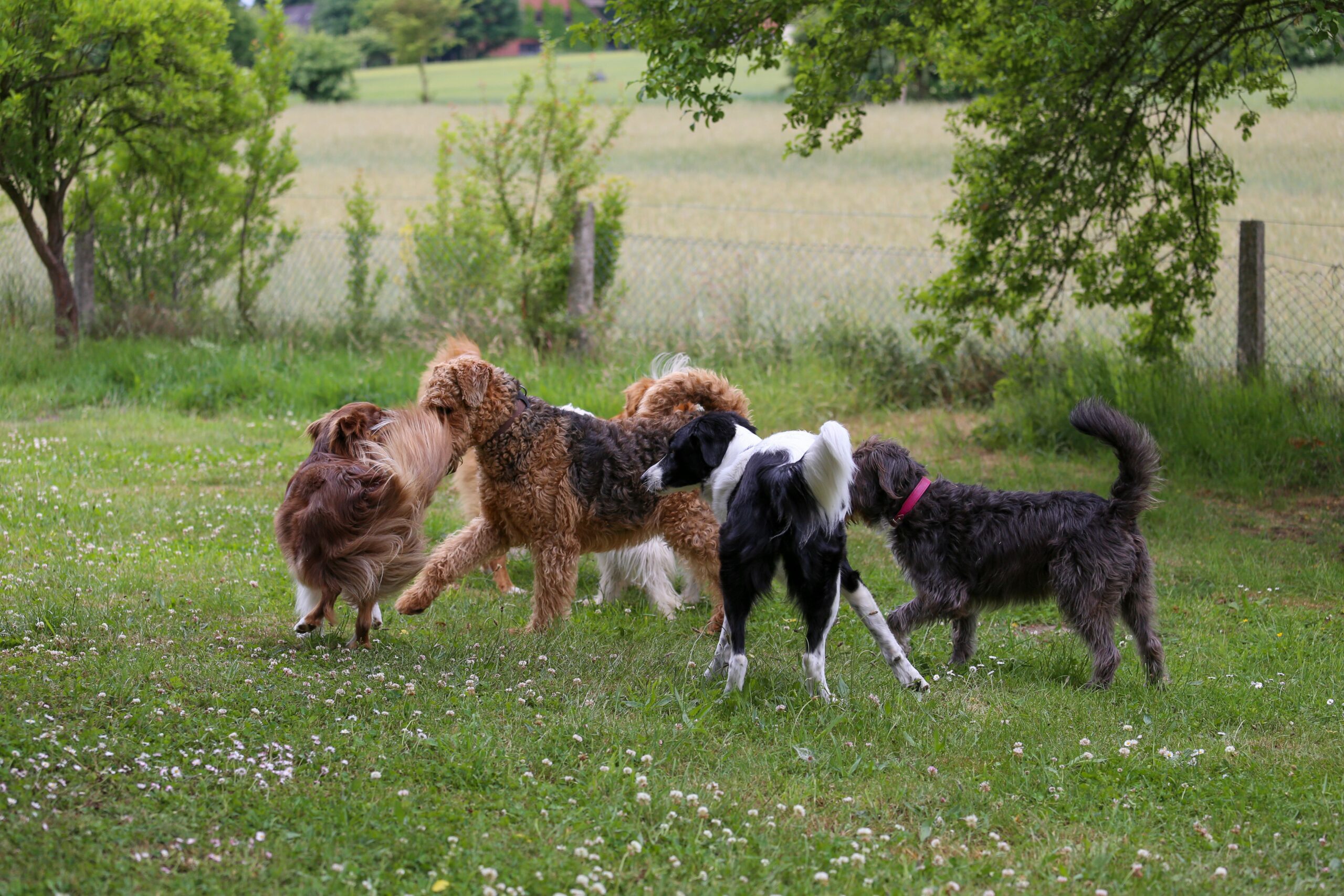
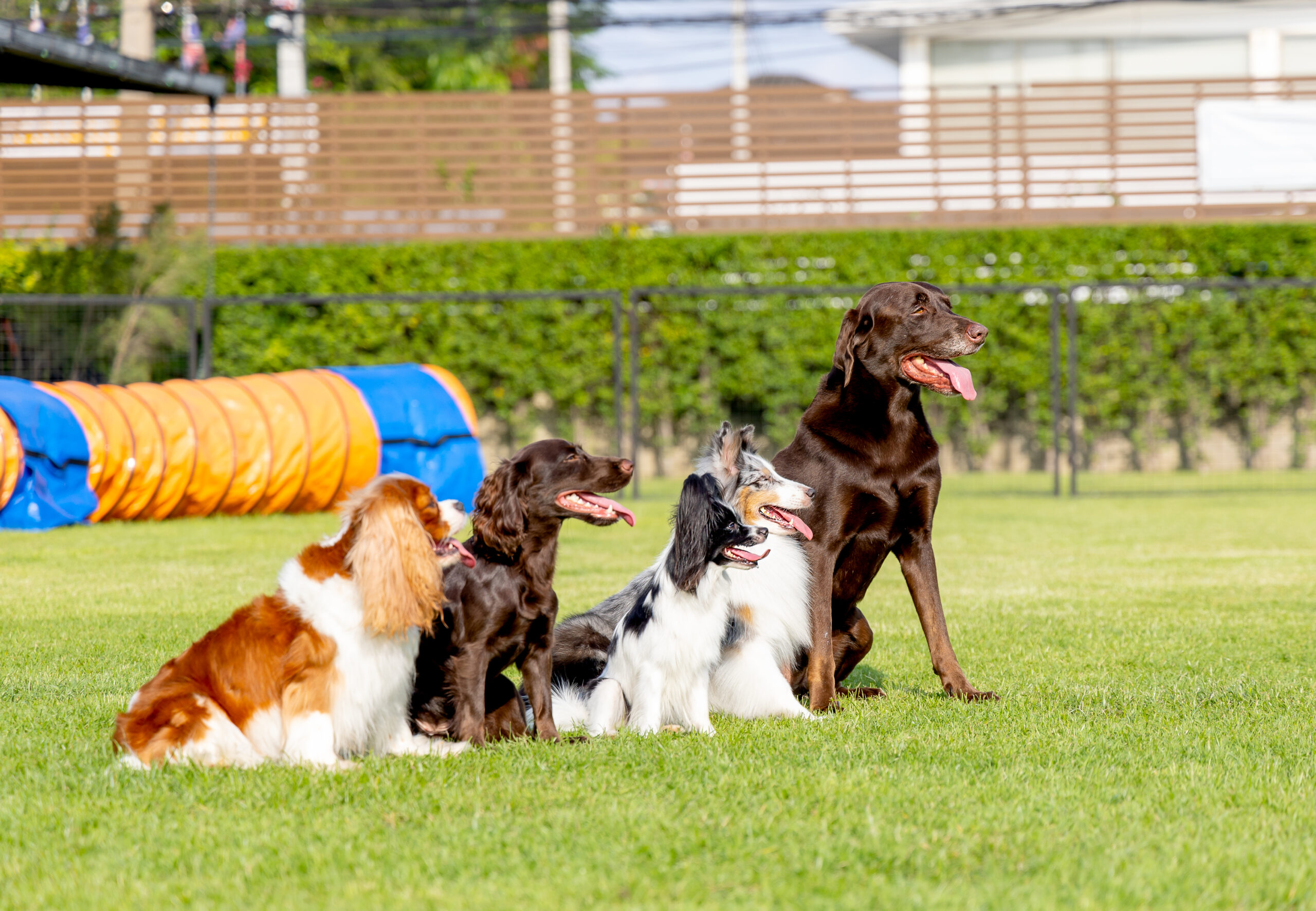
Some dogs appear to thrive when they have regular opportunities for supervised social activity. Your dog may be a good candidate for group daycare if they show relaxed and positive behavior around other dogs.
Signs can include a loose and comfortable body posture, willingness to approach other dogs, playful behavior, and an ability to take breaks between activities. A dog that enjoys exploring new environments and remains responsive to people during play may also adjust well to daycare.
Energy level is another important factor. Dogs with high activity needs may benefit from structured opportunities to move throughout the day. Properly supervised play can help provide physical exercise while also giving dogs a chance to use their natural social skills.
However, enjoying other dogs at a park does not necessarily mean a dog will enjoy every daycare environment. The number of dogs, noise level, play style, and daily schedule can all affect the experience.
Signs Your Dog May Prefer Individual Attention
Some dogs are happiest when they receive one on one care. They may enjoy spending time with people without wanting frequent interaction with other dogs.
A dog may prefer individual attention if they become tense, hide, avoid other dogs, bark excessively, or repeatedly try to move away from group activities. Some dogs may also become tired or irritable when surrounded by too much activity.
This does not mean the dog is antisocial. They may simply feel more comfortable with a quieter routine.
Individual attention can provide opportunities for walks, gentle play, training exercises, enrichment activities, and relaxed companionship. This type of care may be particularly useful for dogs that need frequent rest or have specific behavioral preferences.
How Age Can Influence a Dog’s Daycare Experience
A puppy, adult dog, and senior dog can have very different care requirements.
Puppies often need opportunities to explore, learn, and burn energy. They may enjoy carefully supervised interaction with suitable playmates. At the same time, puppies need plenty of rest because their bodies and minds are still developing.
Adult dogs can have a wider range of preferences. Some may love an active daycare environment, while others may prefer a predictable schedule with quiet periods.
Senior dogs often benefit from a slower pace. They may still enjoy social interaction, but they may prefer shorter play sessions, gentle walks, and more time to rest.
A dog’s age should therefore be considered alongside their personality rather than used as the only factor when choosing care.
Why Temperament Matters More Than Energy Alone
It is easy to assume that a high energy dog automatically needs group daycare. While exercise is important, energy level does not tell the entire story.
A dog can be energetic but uncomfortable in a busy social environment. Another dog may have moderate energy but genuinely enjoy interacting with other dogs throughout the day.
Temperament includes how a dog responds to unfamiliar people, new environments, other animals, noise, handling, and changes in routine.
A thoughtful care provider observes these behaviors instead of placing every dog into the same routine. This approach can help create a more comfortable experience for each pet.
The Importance of Supervised Group Play
When dogs participate in group activities, supervision plays an important role. Dogs communicate through posture, facial expressions, vocalizations, and movement. Their interactions can change quickly, especially when several dogs are playing together.
Supervised daycare allows staff to monitor interactions and recognize when a dog needs a break. Rest periods can help prevent overstimulation and give dogs time to relax.
Group size also matters. Smaller groups may provide a calmer environment for dogs that become overwhelmed by large groups, while carefully selected playgroups can help social dogs enjoy appropriate companionship.
The goal should not be to keep dogs playing continuously. A healthy daycare routine can include activity, enrichment, rest, meals when appropriate, and individual attention.
Why Individual Attention Can Be Valuable
One on one care gives staff the opportunity to focus closely on a dog’s specific preferences. This may include a quiet walk, gentle play, enrichment activities, or simply sitting with a dog that enjoys human companionship.
Individual attention can also make it easier to notice subtle changes in behavior. If a normally playful dog suddenly seems withdrawn, for example, staff may recognize the difference more readily when they know the dog’s usual habits.
For dogs that do not enjoy group interaction, personalized care can provide companionship without creating unnecessary social pressure.
How to Help Your Dog Adjust to Daycare
If you are considering Dog Daycare services for your pet, introduce the experience gradually when possible.
Start by learning how the facility structures play, rest, feeding, and individual care. Share information about your dog’s personality, habits, sensitivities, activity level, and interactions with other animals.
A gradual introduction can help your dog become familiar with new surroundings and caregivers. Watch their behavior after visits. A relaxed dog that returns home comfortable and maintains normal eating, sleeping, and bathroom habits may be adjusting well.
If your dog consistently seems stressed or exhausted after daycare, discuss those observations with the care provider and consider whether a quieter routine would be more appropriate.
Choosing the Right Care for Your Dog
The right daycare experience is not about whether a dog is outgoing or shy. It is about finding an environment that respects the dog’s individual needs.
For some dogs, supervised group activities provide exercise, enrichment, and enjoyable social interaction. For others, a calm setting with individual attention may be more comfortable.
At Valley Pet Hotel in Rialto, pet parents can consider their dog’s personality and daily needs when deciding what type of care may be appropriate. Sharing details about your dog’s routine and temperament can help caregivers understand how to make their stay more comfortable.
Most importantly, pay attention to what your dog communicates through behavior. A happy dog may look relaxed, engaged, and comfortable. Giving your pet a care routine that fits their personality can make time away from home more positive and enjoyable.
A Personalized Approach to Pet Care
Every dog has a different idea of what makes a good day. Some want activity, exploration, and canine companionship. Others would rather enjoy a peaceful environment with plenty of human attention.
There is no single routine that works for every dog. By considering temperament, age, energy level, social comfort, and individual habits, pet parents can make more informed choices about daycare and boarding.
The goal is simple: provide care that allows your dog to feel secure, comfortable, and appropriately engaged while you are away.
Schedule Your Pet’s Stay
If you are looking for pet care in Rialto, consider discussing your dog’s personality and daily routine with the team at Valley Pet Hotel. Whether your dog enjoys social play or prefers individual attention, sharing these details can help caregivers understand what makes your pet comfortable.
Contact our team to learn more about available pet care options and plan a stay that fits your dog’s needs.
Frequently Asked Questions
Q1. How can I tell if my dog enjoys daycare?
Ans: Look for relaxed body language, positive interactions, willingness to engage in activities, and normal behavior after returning home. Consistent signs of stress or overstimulation may indicate that a different care setting would suit your dog better.
Q2. Is daycare suitable for shy dogs?
Ans: Some shy dogs can adjust to daycare with gradual introductions and carefully selected activities. Others may be more comfortable receiving individual attention in a quieter environment.
Q3. Do older dogs benefit from daycare?
Ans: Older dogs may enjoy daycare when the environment accommodates their activity level and need for rest. Gentle activities, shorter play periods, and quiet breaks can make the experience more comfortable.
Q4. Can a high energy dog still prefer one on one care?
Ans: Yes. Energy level and social preference are separate factors. A high energy dog may enjoy plenty of exercise while still preferring individual walks, play sessions, or human companionship instead of group activities.
Q5. What should I tell a pet boarding or daycare provider about my dog?
Ans: Share information about your dog’s personality, activity level, social preferences, feeding routine, sleeping habits, behavior around unfamiliar animals, and any situations that make your dog uncomfortable. These details can help caregivers provide more personalized care.