New Clients Special: $1 First Day of Daycare or First-Night Boarding!



What Makes Dog Daycare Playtime Safe, Fun, and Beneficial for Your Dog?
Dogs thrive when they have opportunities to move, explore, and interact in ways that suit their personalities. For many dogs, supervised daycare playtime provides a welcome change from the daily routine, offering physical activity, social experiences, and mental stimulation. However, a positive daycare experience involves much more than letting dogs run together. Safety, supervision, appropriate play groups, and opportunities to rest all contribute to a rewarding day.
For pet parents considering dog daycare in Rialto, understanding how playtime is managed can help them make informed decisions about their dog’s care. Every dog has a different temperament, energy level, and comfort zone. A thoughtful daycare routine should recognize those differences while encouraging healthy, enjoyable activities.
Valley Pet Hotel understands that dogs benefit from environments where play is balanced with individual attention and relaxation. Knowing what makes daycare playtime safe and beneficial can help you prepare your dog for a more comfortable experience.
Supervision Is the Foundation of Safe Play
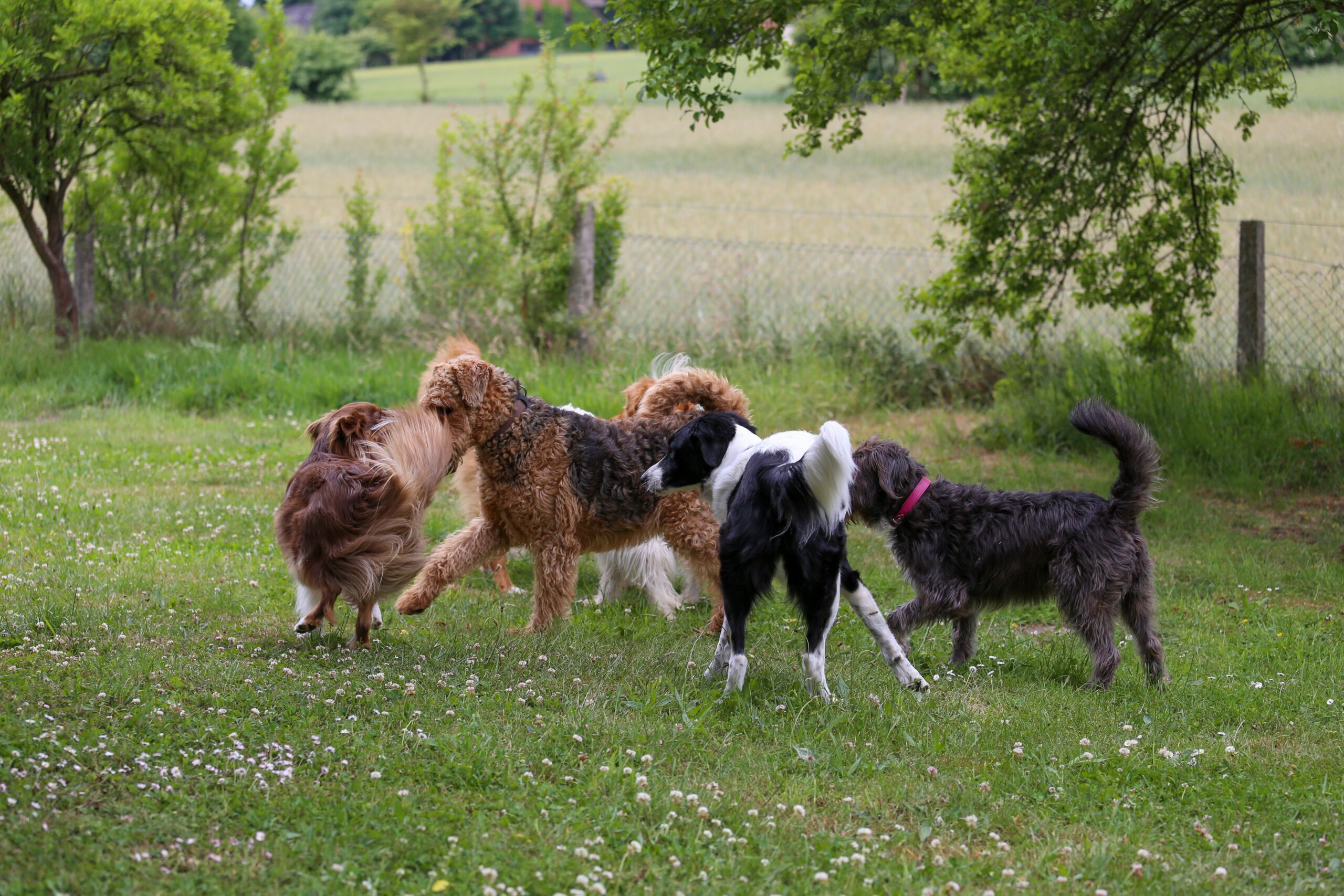
Dogs communicate through body language, movement, vocalizations, and changes in posture. While play between familiar dogs may appear easy to interpret, interactions can become intense quickly when several dogs share a space. Consistent supervision helps caregivers recognize changing behavior and respond before an interaction becomes uncomfortable.
Attentive staff should observe how dogs approach one another, whether play remains mutual, and whether each dog can take a break. Play should not depend on dogs resolving every disagreement on their own. If one dog repeatedly tries to move away or another continues pursuing a reluctant playmate, staff should intervene appropriately.
Supervision also involves monitoring the environment. Gates, play equipment, water stations, and walking paths should be arranged to reduce collisions and prevent dogs from becoming trapped in crowded areas. Staff should know where each dog is and be able to separate animals safely when necessary.
When evaluating dog daycare in Rialto, ask how staff monitor group interactions, handle disagreements, and decide when a dog needs a break. Clear procedures and attentive care help create a more predictable environment.
Matching Dogs by Size, Temperament, and Play Style
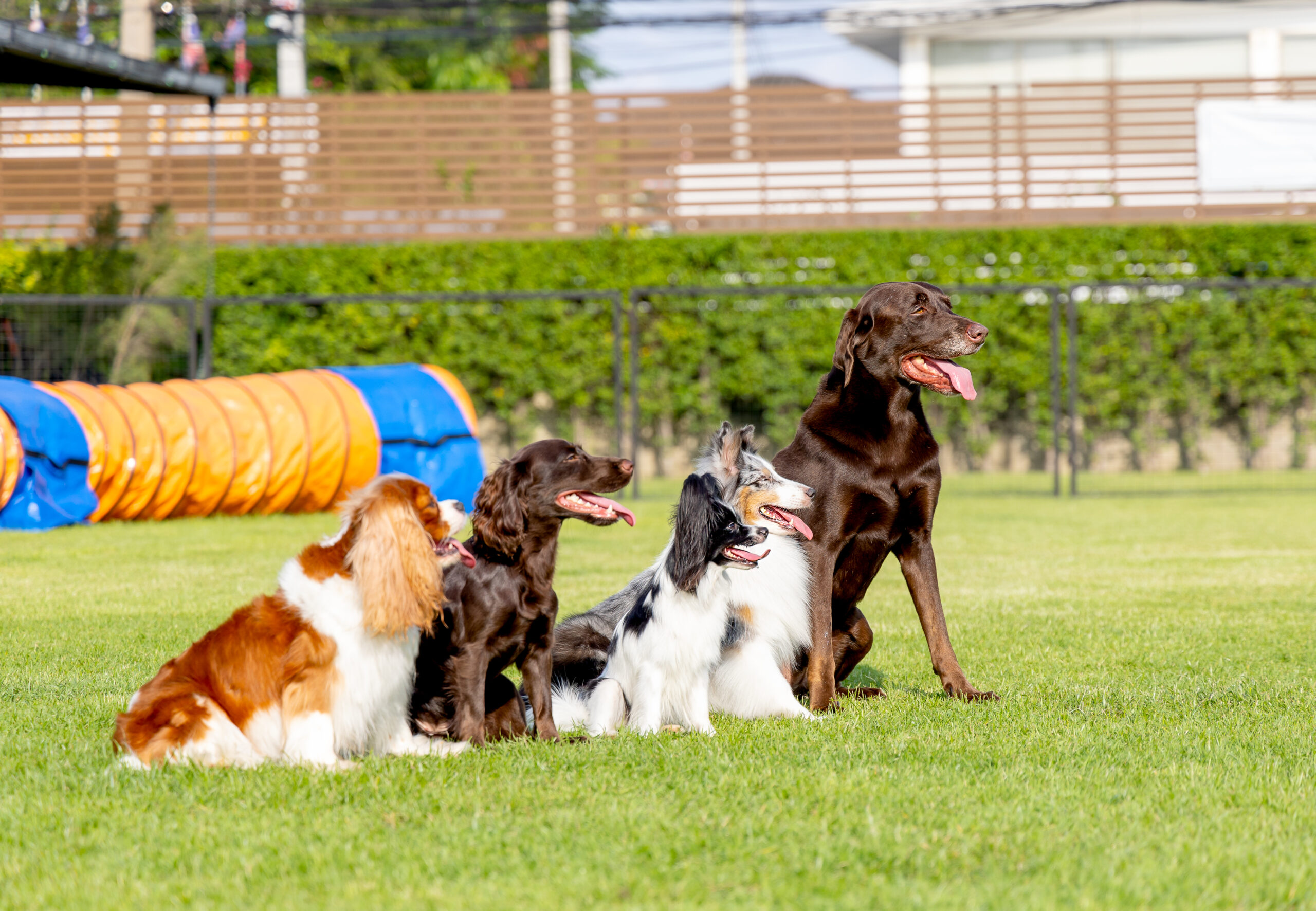
Not every dog enjoys the same kind of play. Some prefer chasing games and energetic movement, while others enjoy gentle interaction or simply spending time near other dogs. Size can matter, but it is only one factor in determining compatibility.
A small, energetic dog may enjoy playing with a larger dog that has a gentle style. Meanwhile, two dogs of similar size may have very different preferences. A dog that likes wrestling may overwhelm a companion that prefers calm greetings and short interactions.
Caregivers should consider personality, confidence, social experience, energy level, and communication style when arranging play groups. Dogs that are uncomfortable in busy groups may benefit from smaller groups or individual activities, depending on the facility’s available options.
Good matching also means adjusting arrangements when behavior changes. A dog may be comfortable with one group but need a different setting on another day. The goal is not to make every dog participate in every activity. It is to provide opportunities for positive interaction without unnecessary pressure.
Encouraging Healthy Social Skills
Supervised play can give dogs opportunities to practice communication with other dogs. During suitable interactions, they may learn to respond to invitations, pause when a playmate moves away, and adjust their movements to maintain a shared game.
Playful behaviors can include chasing, gentle wrestling, play bows, and short pauses before returning to activity. The meaning of any behavior depends on the overall interaction. Caregivers should look for signs that both dogs remain comfortable rather than assuming that constant movement means both are enjoying themselves.
Some dogs are naturally sociable, while others prefer a limited number of companions. A dog does not need to play with every dog to have a valuable daycare experience. Calm observation, brief greetings, and parallel activities may be more suitable for certain personalities.
Owners can support social development by sharing information about their dog’s history and preferences. If a dog has shown fear around unfamiliar dogs, reacts strongly to certain play styles, or needs gradual introductions, tell the daycare team before the visit.
Physical Activity That Fits Your Dog’s Needs
Movement supports strength, coordination, and general well-being, but the right amount of activity varies between dogs. Young, energetic dogs may enjoy active games, while older dogs or dogs with physical limitations may need shorter sessions and gentler movement.
Safe play should take account of age, fitness, health history, and the weather. In Rialto, warm conditions make temperature awareness especially important. Outdoor activity should be managed with appropriate shade, access to water, and opportunities to cool down. Caregivers should adjust activities when conditions are unsuitable.
Dogs also need time to recover between active periods. Continuous running and chasing can lead to fatigue, particularly when a dog becomes too excited to slow down voluntarily. Quiet breaks allow breathing and activity levels to settle and give staff time to assess each dog’s comfort.
Pet parents should share any veterinary recommendations that affect exercise. If a dog develops unusual weakness, difficulty breathing, persistent limping, or other concerning symptoms during activity, play should stop and the dog should receive appropriate veterinary assessment.
Mental Stimulation Makes Playtime More Rewarding
Daycare can offer more than physical exercise. New scents, different play spaces, supervised games, and simple enrichment activities encourage dogs to explore and use their minds.
Activities such as finding a hidden toy, following a scent trail, or practicing familiar cues in a calm setting can provide mental engagement without requiring constant running. These options may be particularly useful for dogs that enjoy learning but become overwhelmed by energetic group play.
Variety matters because not every dog finds the same activity rewarding. Some enjoy retrieving toys, while others prefer sniffing, exploring, or receiving attention from caregivers. A flexible routine helps staff provide experiences that match each dog’s interests and abilities.
Mental stimulation should not become an endless series of demands. Dogs need downtime to process new experiences and relax. Alternating activity with rest can help keep the day enjoyable rather than exhausting.
Recognizing Stress and Knowing When to Pause
A safe daycare environment allows dogs to step away from play when they need to. Recognizing signs of discomfort is essential because a dog may appear active while struggling to cope with the situation.
Possible signs include repeatedly hiding behind people or objects, turning away from other dogs, persistent pacing, excessive vocalization, or repeatedly attempting to leave an interaction. Some dogs may become unusually still, while others may react with snapping or growling when they feel overwhelmed.
These signals should be considered in context. Panting can occur after exercise, and yawning can happen for many reasons. Caregivers should observe patterns, the surrounding situation, and whether the dog settles when given space.
A dog that repeatedly struggles in group play may benefit from shorter visits, quieter activities, or a different care arrangement. Staff should communicate observations to the owner and work together to decide what suits the dog. Forcing participation can make future visits more difficult.
Clean Spaces, Safe Equipment, and Good Routines
The physical environment plays an important role in safe play. Play areas should be maintained, inspected for hazards, and arranged so dogs have enough room to move without crowding one another. Fences and gates should be secure, and toys should be suitable for the dogs using them.
Clean water should be accessible, and resting areas should be comfortable and separated from overly energetic activity when needed. Staff should follow consistent cleaning procedures and monitor shared equipment for damage.
Daily routines also help dogs feel more secure. Predictable transitions between arrival, play, rest, and departure can reduce confusion. Caregivers should know each dog’s individual requirements and communicate relevant changes in appetite, energy, or behavior to the owner.
When considering a facility, ask about cleaning practices, supervision, group selection, rest periods, and how staff handle a dog that does not settle comfortably. These practical details can tell you a great deal about how the facility approaches daily care.
How Dog Boarding Complements a Balanced Care Routine
Daycare and dog boarding serve different purposes, but both should prioritize comfort, supervision, and individual needs. Daycare focuses on daytime activities and social opportunities, while boarding adds overnight care and adjustment to a temporary sleeping environment.
For dogs staying overnight, a familiar routine can help make the transition easier. Tell caregivers about your dog’s usual sleeping habits, preferred comfort items, feeding schedule, and any concerns about being away from home. Share relevant health or behavioral information so the care team can plan appropriately.
Not every dog needs extensive group play during boarding. Some may benefit from quiet enrichment, individual attention, or shorter social sessions. Ask how the facility balances activity with rest and what options are available for dogs that prefer a calmer environment.
Choosing dog boarding with attention to your dog’s temperament and routine can support a more comfortable stay, especially when care plans are discussed in advance.
Book a Visit With Valley Pet Hotel
Safe, enjoyable playtime depends on thoughtful supervision, compatible play groups, clean surroundings, and a healthy balance between activity and rest. When these elements work together, daycare can offer dogs opportunities for movement, social interaction, and mental enrichment while respecting their individual limits.
If you are exploring dog daycare in Rialto or dog boarding, contact Valley Pet Hotel to ask about its care routines, play supervision, rest opportunities, and booking process. Share your dog’s personality, activity preferences, and any special considerations with the team before arranging a visit. Ask about available tours or reservation options to help determine whether the environment fits your dog’s needs.
Frequently Asked Questions
Q1. How long should dogs play during a daycare session?
Ans: The ideal play duration depends on a dog’s age, energy level, fitness, and temperament. Staff should monitor each dog and alternate active play with rest breaks when needed.
Q2. Is dog daycare suitable for dogs that are shy around other dogs?
Ans: It may be suitable if the facility can accommodate gradual introductions, smaller groups, or quieter activities. Share your dog’s behavior history with caregivers so they can recommend an appropriate approach.
Q3. What should I look for when choosing dog daycare in Rialto?
Ans: Ask about staff supervision, play group selection, cleaning routines, secure play areas, access to water, rest periods, and how the team responds when a dog becomes stressed or tired.
Q4. Can dogs benefit from daycare even if they do not enjoy group play?
Ans: Yes. Depending on the facility’s services, individual enrichment, sniffing activities, calm exploration, and caregiver interaction may provide meaningful stimulation without requiring group play.
Q5. How is dog daycare different from dog boarding?
Ans: Dog daycare generally provides care and activities during the day, while dog boarding includes overnight accommodation. Both should provide appropriate supervision, comfortable rest areas, and care suited to each dog’s needs.