New Clients Special: $1 First Day of Daycare or First-Night Boarding!


What Happens When Dogs Get Tired During Daycare Playtime?
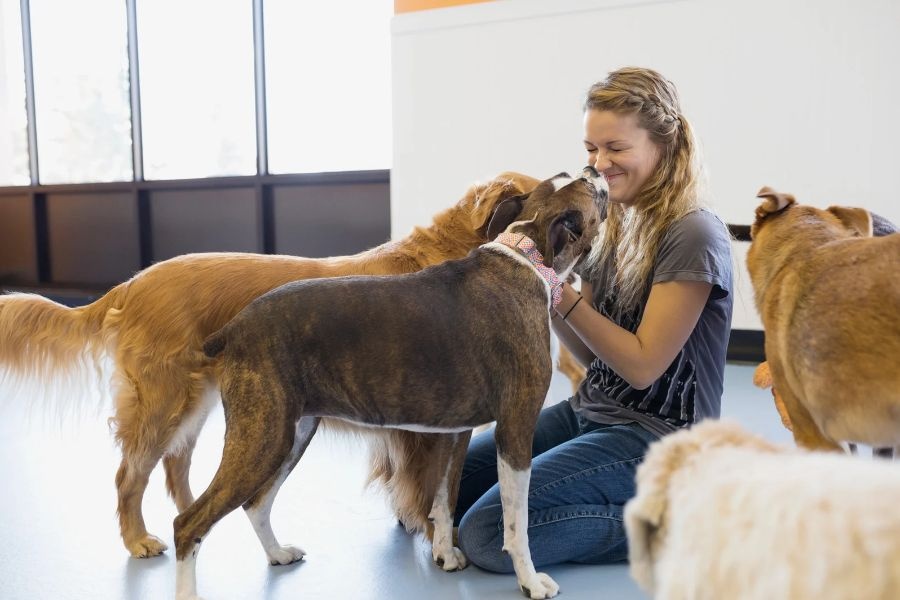
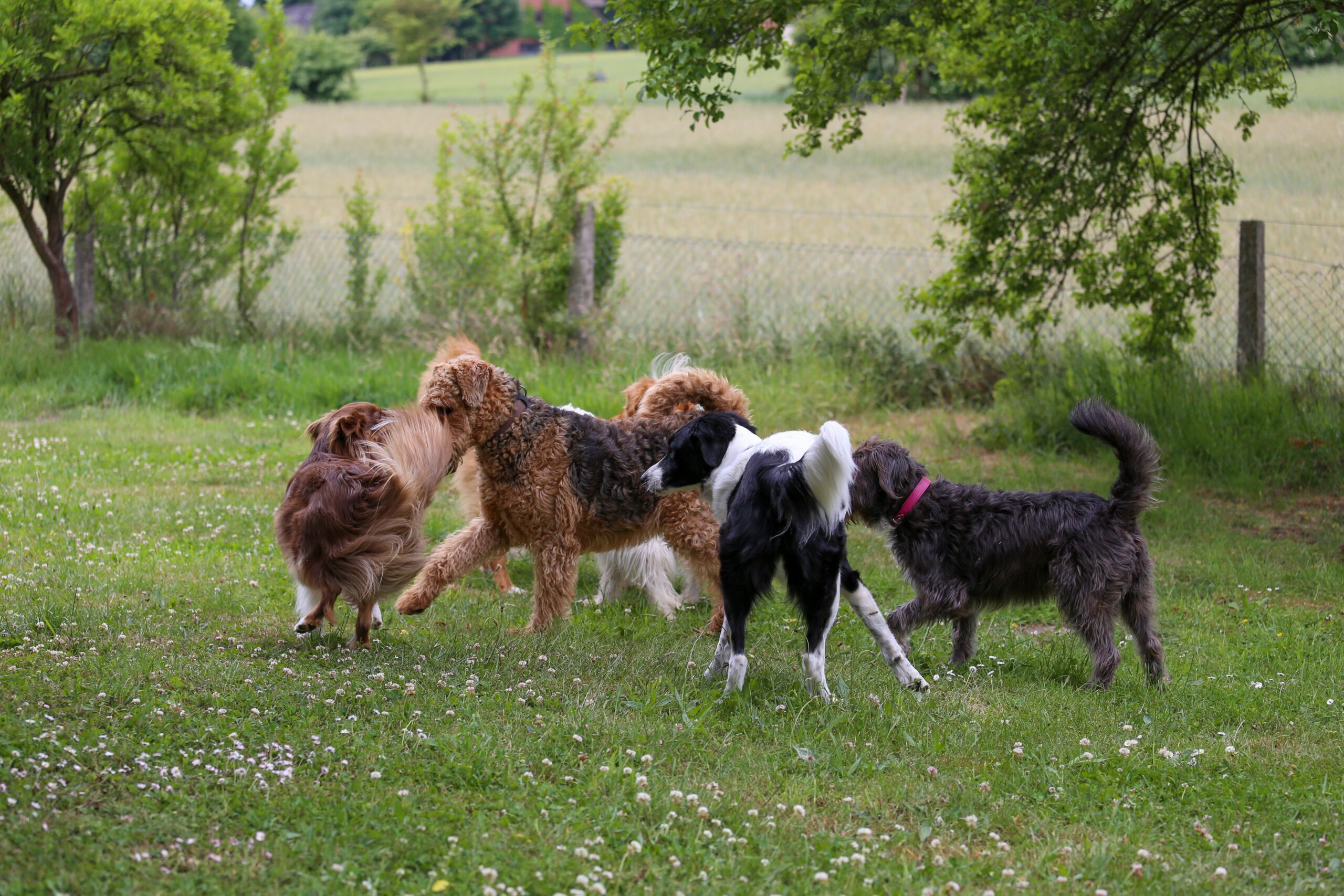
Playtime is one of the most enjoyable parts of a dog’s day. Running with friends, exploring new surroundings, chasing toys, and interacting with other dogs provide physical exercise and mental stimulation. However, even energetic dogs have limits. During dog daycare, activity can become tiring, especially when several exciting experiences happen within a short period.
When dogs become tired, their behavior may change in ways that are easy to overlook. Some slow down and rest naturally, while others become restless, overly excited, or less patient with their playmates. Recognizing these changes helps caregivers decide when to pause activities and give each dog time to recover.
At Valley Pet Hotel in Rialto, understanding how dogs respond to physical activity is an important part of supporting a comfortable daycare experience. Knowing what happens when a dog gets tired can help owners appreciate why supervised play, rest periods, and individualized attention all matter.
Why Dogs Get Tired During Daycare Playtime
Daycare activities often involve more than physical exercise. Dogs must navigate unfamiliar sounds, interact with other animals, respond to people, and process new smells throughout the day. This combination of physical and mental stimulation can be tiring.
Running, jumping, chasing, and wrestling use energy, while social interaction requires attention and self-control. A dog may become mentally tired even if it has not spent much time running. Puppies, senior dogs, and pets that are new to group activities may need more frequent breaks than dogs accustomed to active play.
The amount of rest a dog needs also depends on its size, fitness, health, temperament, and the intensity of the activity. A dog that enjoys short bursts of play may become tired sooner than one that prefers steady movement.
Caregivers should avoid assuming that a dog can continue playing simply because it is willing to follow the group. Some dogs need help recognizing when it is time to slow down.
Early Signs That a Dog Is Becoming Tired
Dogs often show gradual changes before reaching the point of exhaustion. Observing these early signs allows daycare staff to offer a break before fatigue affects the dog’s comfort or behavior.
Common signs include:
- Slowing down or taking longer pauses between play sessions.
- Sitting or lying down more frequently.
- Panting more heavily than expected for the activity.
- Showing less interest in toys or other dogs.
- Walking toward a quieter area or staying near a caregiver.
- Responding more slowly to familiar cues.
Some dogs may also yawn, lick their lips, turn their heads away, or avoid interaction. These signals can indicate stress or discomfort as well as fatigue, so staff should consider the overall situation rather than interpreting one behavior in isolation.
A dog that repeatedly disengages from play is communicating that its needs may have changed. Caregivers should respect that choice instead of encouraging it to continue.
Why Tired Dogs May Become More Irritable
Fatigue can influence how dogs interact with their surroundings. A dog that was previously relaxed and playful may become less tolerant of repeated approaches, jumping, or rough interactions when tired.
For example, a dog may begin moving away from playmates, growling when another dog approaches, or reacting more strongly to contact it previously accepted. These responses can occur because the dog needs space and time to rest.
Some dogs become overly excited rather than quiet. They may run around unpredictably, bark more often, or struggle to respond to familiar cues. This can happen when physical fatigue combines with high excitement and too much stimulation.
Caregivers should not automatically label these changes as bad behavior. Instead, they should interrupt the activity calmly, create distance from other dogs, and provide a quiet opportunity to settle. If the dog continues to show discomfort, group play should remain paused.
The Difference Between Normal Panting and Concerning Fatigue
Panting is a normal way for dogs to regulate body temperature, particularly after exercise. However, staff should pay attention to how intense the panting is, how long it continues, and whether other symptoms appear.
After active play, a dog may pant for a while before breathing gradually returns to a more comfortable pattern. Providing fresh water, shade, and a calm resting area can support recovery.
Concerning signs include excessive or persistent panting, unusual weakness, stumbling, confusion, vomiting, excessive drooling, or difficulty breathing. These signs should not be dismissed as ordinary tiredness. Staff should follow the facility’s veterinary care procedures promptly.
Temperature and humidity also influence activity tolerance. During warm weather in Rialto, outdoor play may require additional attention to shade, water access, and session length. Dogs with short muzzles, certain medical conditions, or reduced exercise tolerance may need modified activities.
If a dog regularly appears unusually tired after ordinary exercise, owners should discuss the pattern with their veterinarian.
How Daycare Staff Should Respond When a Dog Gets Tired
A suitable response begins with stopping or reducing the activity. Staff can guide the dog away from active play and provide a quiet space where it can rest without being disturbed.
Fresh drinking water should be available, and caregivers should observe the dog’s breathing, posture, alertness, and general behavior. A dog should not be encouraged to return to group play until it appears comfortable and shows genuine interest in participating.
Some dogs recover after a short break, while others need a longer rest or no further group activity that day. The decision should depend on the individual dog rather than a fixed schedule.
Staff should also consider whether the playgroup itself is contributing to fatigue. A dog may benefit from a smaller group, calmer companions, shorter sessions, or more frequent breaks.
Supervision is especially important when several dogs have different energy levels. Caregivers need to make sure that a resting dog is not repeatedly approached or encouraged to play by more energetic companions.
Why Puppies and Senior Dogs May Need Extra Rest
Age can influence how dogs respond to daycare activities. Puppies are still developing coordination, social skills, and the ability to regulate excitement. They may play enthusiastically and then become tired quickly. Short, supervised activities with appropriate rest periods can help prevent overstimulation.
Senior dogs may have reduced stamina, joint discomfort, or other age-related changes. Activities that once felt easy may become more demanding over time. Caregivers should observe movement, willingness to participate, and signs of stiffness or discomfort.
Dogs recovering from illness or injury may also need restrictions on running, jumping, or rough play. Owners should share veterinary instructions with the daycare team before the visit.
There is no single activity schedule suitable for every dog. Adjusting playtime to a dog’s age, health, and physical ability helps make participation more comfortable.
How Owners Can Help Their Dogs Enjoy Daycare
Owners can support a positive daycare routine by sharing useful information about their dog’s usual activity level and behavior. Let the staff know whether your dog prefers energetic play, short interactions, quiet observation, or frequent rest.
Provide details about medical conditions, mobility concerns, medications, and any exercise restrictions. If your dog has recently shown unusual tiredness, changes in appetite, or reluctance to play, discuss those observations before arranging daycare.
It is also helpful to maintain a balanced routine outside daycare. Adequate sleep, regular meals, and suitable exercise can support your dog’s overall well-being. Avoid adding several demanding activities on the same day if your dog already has an active daycare session planned.
After pickup, allow your dog time to relax. Some pets may sleep more than usual after a stimulating day. However, unusual weakness, persistent exhaustion, or other concerning changes should be discussed with a veterinarian.
Why Rest Is an Important Part of a Positive Daycare Experience
A successful daycare experience is not measured by how many hours a dog spends running or playing. Rest is just as important as activity because it gives dogs time to recover physically and settle mentally.
When caregivers recognize fatigue early, they can reduce the chance of uncomfortable interactions and help dogs enjoy activities at a suitable pace. A flexible routine also respects differences between individual pets.
Valley Pet Hotel can help Rialto pet owners learn more about daycare routines, supervision, and the importance of balancing play with rest. Asking how staff monitor energy levels and respond when dogs need a break can help you understand whether the environment matches your pet’s needs.
Contact Valley Pet Hotel About Your Dog’s Daycare Needs
Every dog has a different activity level, social style, and tolerance for stimulation. Some enjoy extended play with compatible companions, while others prefer shorter sessions with plenty of quiet time. Recognizing these differences helps create a more comfortable experience.
If you are considering dog daycare in Rialto, contact Valley Pet Hotel to discuss your dog’s temperament, age, health, and activity preferences. Ask about supervised play, rest opportunities, and how caregivers respond when a dog becomes tired. Sharing these details can help the team understand your companion and plan a daycare routine that respects its individual needs.
Book a visit and get appointment to have dog’s daycare by our experienced team.
Frequently Asked Questions
Q1. How can I tell if my dog is too tired to continue daycare play?
Ans: Watch for repeated pauses, heavy panting, reduced interest in play, lying down, or moving away from other dogs. If these signs appear, your dog should have an opportunity to rest before any further activity is considered.
Q2. Is it normal for a dog to sleep more after daycare?
Ans: Some dogs sleep more after an active day because physical exercise and social interaction can be tiring. However, unusual weakness, persistent exhaustion, or difficulty getting comfortable should be discussed with a veterinarian.
Q3. Can a tired dog become more reactive toward other dogs?
Ans: Yes. Fatigue and overstimulation may reduce a dog’s tolerance for repeated interaction. A tired dog may avoid play, become irritable, or react more strongly than usual. Staff should pause the interaction and provide space.
Q4. Do puppies need more breaks during dog daycare?
Ans: Puppies often benefit from shorter play sessions and frequent rest because they are still developing physically and learning social skills. Their activity should be adjusted according to age, health, and individual behavior.
Q5. Should my dog return to playing after taking a break?
Ans: Only if your dog appears comfortable, has recovered from the activity, and shows interest in rejoining. If signs of fatigue or discomfort continue, additional rest or ending group play for the day may be more appropriate.