New Clients Special: $1 First Day of Daycare or First-Night Boarding!


How Daycare Staff Can Recognize When a Dog Wants to Take a Break From Playing

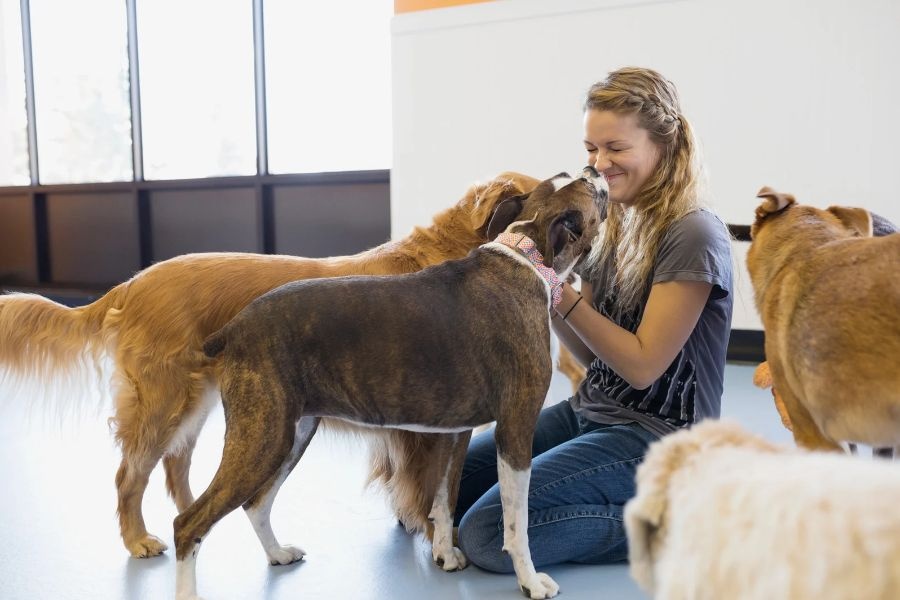
Playtime gives dogs opportunities to exercise, explore, socialize, and build positive associations with other dogs. However, even a dog that enjoys group activities needs time to rest. During dog daycare, recognizing when a dog has had enough stimulation is an important part of maintaining a comfortable and well-managed play environment.
Dogs do not always communicate tiredness or discomfort by lying down or walking away. Some show subtle changes in body language, while others become overly excited, withdrawn, or less responsive to their surroundings. Daycare staff who understand these signals can adjust activities before a dog becomes overwhelmed.
At Valley Pet Hotel in Rialto, understanding canine behavior is an important consideration when evaluating a dog’s comfort during group play. By recognizing early signs that a dog needs a break, caregivers can help create a more positive experience for pets with different personalities, energy levels, and social preferences.
Why Dogs Need Breaks During Daycare Play
Dogs can become physically tired and mentally overstimulated during group activities. Running, chasing, wrestling, and interacting with unfamiliar dogs require energy and attention. Even social dogs may need quiet time to recover between play sessions.
A dog that continues playing without adequate rest may become less coordinated, more reactive, or less tolerant of interactions. As fatigue increases, normal play can become rougher or more difficult to manage. A dog that was previously comfortable may begin avoiding other dogs or reacting defensively when approached.
Breaks are not a sign that a dog is unfriendly or unsuitable for daycare. They are a normal part of managing activity and respecting individual limits. Some dogs need frequent pauses, while others can participate for longer periods before resting.
Daycare staff should consider the dog’s age, physical condition, temperament, previous social experiences, and response to the current group. The goal is to support enjoyable play without expecting every dog to participate continuously.
Recognizing Changes in Body Language
Body language often provides the earliest clues that a dog needs space. Staff should observe the whole dog rather than relying on one isolated movement.
A dog that turns its head away repeatedly, avoids eye contact, lowers its body, tucks its tail, or moves away from another dog may be communicating discomfort. Frequent lip licking, yawning when not tired, and suddenly becoming still can also indicate stress in the right context.
Some dogs may approach a staff member or move toward a gate instead of continuing to play. Others may stand at the edge of the group and watch without joining in. These behaviors can mean the dog wants a quieter experience.
Context matters. A single yawn or head turn does not always indicate stress. Staff should look for repeated signals, changes from the dog’s normal behavior, and the way other dogs respond.
When several signs appear together, caregivers should create space, reduce stimulation, and offer the dog an opportunity to rest. They should never force a dog to rejoin play simply because the scheduled activity is not finished.
When Playful Behavior Becomes Too Intense
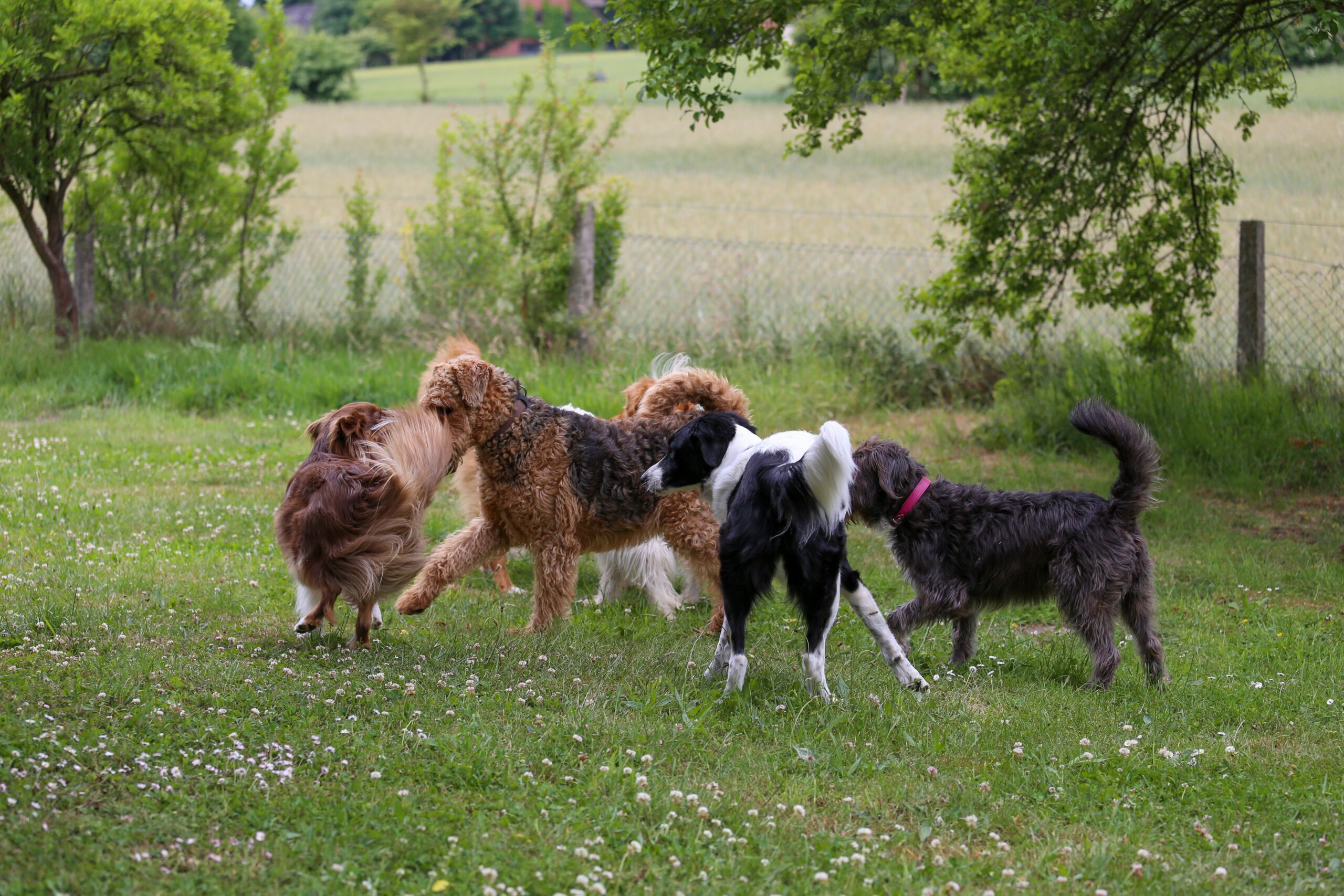
Excitement is common during group play, but high arousal can make it harder for dogs to respond appropriately to one another. Staff should pay attention when a dog’s play becomes increasingly frantic, persistent, or difficult to interrupt.
For example, a dog may repeatedly chase another dog that is trying to move away. It may continue jumping, pawing, or wrestling after its playmate has stopped responding. Some dogs become louder, move more erratically, or ignore familiar cues that they usually follow.
These changes do not automatically mean a dog is aggressive. They may indicate that the dog needs help calming down before the interaction becomes uncomfortable for either animal.
Caregivers can interrupt the activity calmly, separate the dogs when needed, and guide the more excited dog toward a quieter area. Offering a short rest helps staff assess whether the dog can return to play comfortably or would benefit from a longer break.
Understanding When a Dog Is Avoiding Social Interaction
Not every dog wants to play with every other dog. Some prefer brief greetings, parallel movement, or independent exploration rather than continuous chasing and wrestling.
Staff should notice when a dog repeatedly moves away from a particular playmate, hides behind a person or barrier, or stays close to the perimeter of the play area. A dog that consistently declines interaction may need a different group, a quieter activity, or time alone.
Caregivers should also watch the other dogs. If one dog repeatedly follows, corners, or pesters another that is trying to disengage, staff should intervene rather than expecting the uncomfortable dog to manage the situation independently.
Respecting these choices supports safer social experiences. Dogs should have opportunities to disengage without being pursued, crowded, or encouraged to tolerate unwanted contact.
A successful dog daycare experience is not measured by how much time a dog spends playing. Comfort, appropriate interaction, and the ability to rest are equally important.
Physical Signs That a Dog Needs Rest
Behavioral changes may be accompanied by physical signs of fatigue. Heavy panting, slowing down, frequent pauses, reduced coordination, or repeatedly sitting or lying down can indicate that a dog needs to rest.
Staff should consider environmental conditions as well. Warm weather, humidity, limited shade, and vigorous activity can increase the risk of overheating. Dogs with short muzzles, older dogs, puppies, and dogs with certain health conditions may require additional care during physical activity.
Caregivers should offer access to fresh water and a suitable resting area. If a dog continues panting heavily despite rest, appears weak, has difficulty breathing, vomits, or seems disoriented, staff should follow the facility’s veterinary care procedures promptly.
A dog should not be encouraged to resume exercise simply because it appears eager to follow other dogs. Physical recovery and normal behavior should guide decisions about returning to play.
How Staff Can Offer Breaks Without Adding Stress
The way a break is introduced matters. Staff should avoid shouting, sudden physical handling, or creating additional excitement around a dog that is already overwhelmed.
Instead, caregivers can use familiar cues and calm movement to guide the dog away from the group. A quiet, secure resting area allows the dog to settle without being followed by other dogs. Depending on the facility setup, staff may provide separate rest spaces, supervised individual time, or a quieter activity.
Breaks should be adjusted to the individual dog. Some dogs settle quickly and may be comfortable returning to a compatible play group. Others may need a longer period of rest or may be more comfortable spending the remainder of the session away from group play.
Staff should reassess the dog’s body language before making that decision. A dog that remains tense, avoids interaction, or shows continuing fatigue should not be pressured to rejoin the group.
Why Age, Health, and Temperament Matter
Dogs have different activity needs. Puppies may become overstimulated because they are still learning social skills and managing their energy. Senior dogs may tire sooner or experience stiffness that makes extended running and jumping uncomfortable.
A dog’s health history can also affect its ability to participate. Dogs recovering from illness or injury, those with mobility limitations, and those with breathing or other medical concerns may need modified activities. Owners should share relevant health information and any exercise restrictions with daycare staff.
Temperament is equally important. A confident, energetic dog may enjoy frequent social interaction, while a cautious dog may prefer shorter play sessions with familiar companions. Previous daycare experience can provide useful information, but staff should still observe how the dog responds each day.
If a dog repeatedly struggles with play, shows a sudden behavior change, or appears uncomfortable during ordinary activity, owners may need to consult a veterinarian to determine whether an underlying health issue is contributing.
Communicating With Owners About Rest and Play
Clear communication helps daycare teams and owners work together to support a dog’s well-being. Staff should record meaningful observations, including changes in play style, repeated avoidance, fatigue, or difficulty settling.
Sharing these details with owners can help identify patterns. For instance, a dog may need shorter sessions, a different play group, or more frequent quiet periods. Owners can also provide information about the dog’s usual energy level, sleep routine, social preferences, and any recent changes at home.
If a dog regularly becomes overwhelmed, staff and owners can discuss whether group daycare remains suitable or whether a more individualized arrangement would better match the dog’s needs.
At Valley Pet Hotel in Rialto, asking about supervision, rest periods, playgroup management, and how staff communicate behavioral concerns can help owners understand the approach to canine care. A thoughtful daycare routine should allow dogs to participate at a pace that suits them.
Choose a Thoughtful Daycare Experience at Valley Pet Hotel
Dogs benefit from play when their comfort, health, and individual limits are respected. Recognizing body language, noticing changes in energy, and offering timely breaks can help prevent overstimulation and make group activities more manageable.
If you are considering dog daycare in Rialto, contact Valley Pet Hotel to ask about play supervision, rest opportunities, group compatibility, and how staff respond when a dog needs space. Share your dog’s temperament, health considerations, and social preferences so the team can better understand its needs. Planning a daycare routine around your dog’s comfort can support a more positive experience for everyone involved.
Frequently Asked Questions
Q1. How often should dogs take breaks during daycare play?
Ans: There is no single schedule that suits every dog. Break frequency depends on age, health, activity level, temperament, weather, and behavior. Staff should observe each dog and offer rest whenever signs of fatigue or overstimulation appear.
Q2. Does a dog that walks away from other dogs dislike daycare?
Ans: Not necessarily. A dog may enjoy daycare but prefer short interactions, independent exploration, or quiet time. Staff should respect the dog’s choice and assess whether a different activity or play group would be more comfortable.
Q3. What is the difference between normal excitement and overstimulation?
Ans: Normal excitement usually allows a dog to pause, respond to familiar cues, and adjust its behavior. Overstimulation may involve frantic movement, persistent chasing, difficulty disengaging, or repeated stress signals. Staff should interrupt play and provide a calm break when needed.
Q4. Should a tired dog return to group play after resting?
Ans: Only if the dog appears comfortable, alert, and interested in rejoining. If fatigue, avoidance, or stress continues, staff should allow additional rest or end group participation for that session.
Q5. What should owners tell daycare staff about their dog’s play habits?
Ans: Owners should share the dog’s typical energy level, social preferences, signs of discomfort, relevant medical conditions, and any exercise restrictions. This information helps staff recognize unusual behavior and make appropriate decisions about breaks.