1786 N Riverside Ave # 2, Rialto, CA 92376


How to Tell If Your Dog Is Ready for Group Daycare or Needs a More Individual Routine
Not every dog experiences daycare in the same way. Some dogs see a group setting as an exciting opportunity to play, explore, and interact. Others may prefer a quieter routine with more personal attention and fewer social demands.
Choosing between group daycare and a more individual routine is not simply about whether a dog likes other dogs. A dog’s personality, energy level, age, play style, communication skills, and ability to relax can all influence which environment is more suitable.
For pet owners in Rialto, understanding these differences can make it easier to choose a daycare arrangement that fits their companion. Valley Pet Hotel provides pet care options where considering a dog’s individual needs can help create a more comfortable and enjoyable daily experience.
Start With Your Dog’s Personality
The first question to ask is how your dog normally responds to new people, animals, and surroundings.
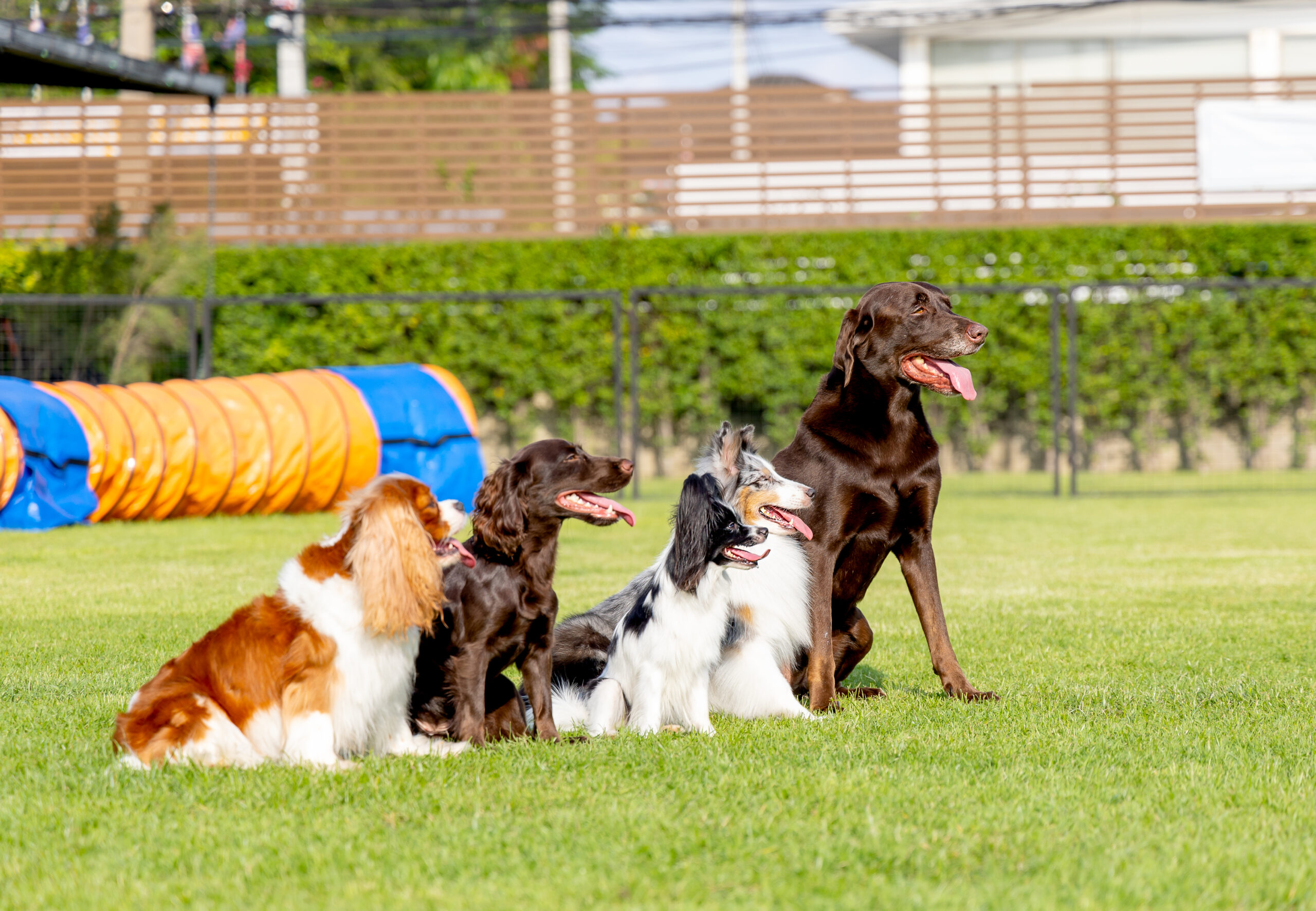
Some dogs are naturally social. They may confidently approach unfamiliar dogs, investigate new environments, and enjoy interactive play. These characteristics can make group activities appealing.
Other dogs are more reserved. They may prefer observing a new environment before participating or may become uncomfortable when several dogs approach them at once.
Neither personality is necessarily better than the other. Dogs simply have different social preferences.
A dog that prefers a quieter environment may benefit from an individual routine where activities can be adjusted around its comfort level.
Look at How Your Dog Plays
Play style can reveal a great deal about whether group daycare is appropriate.
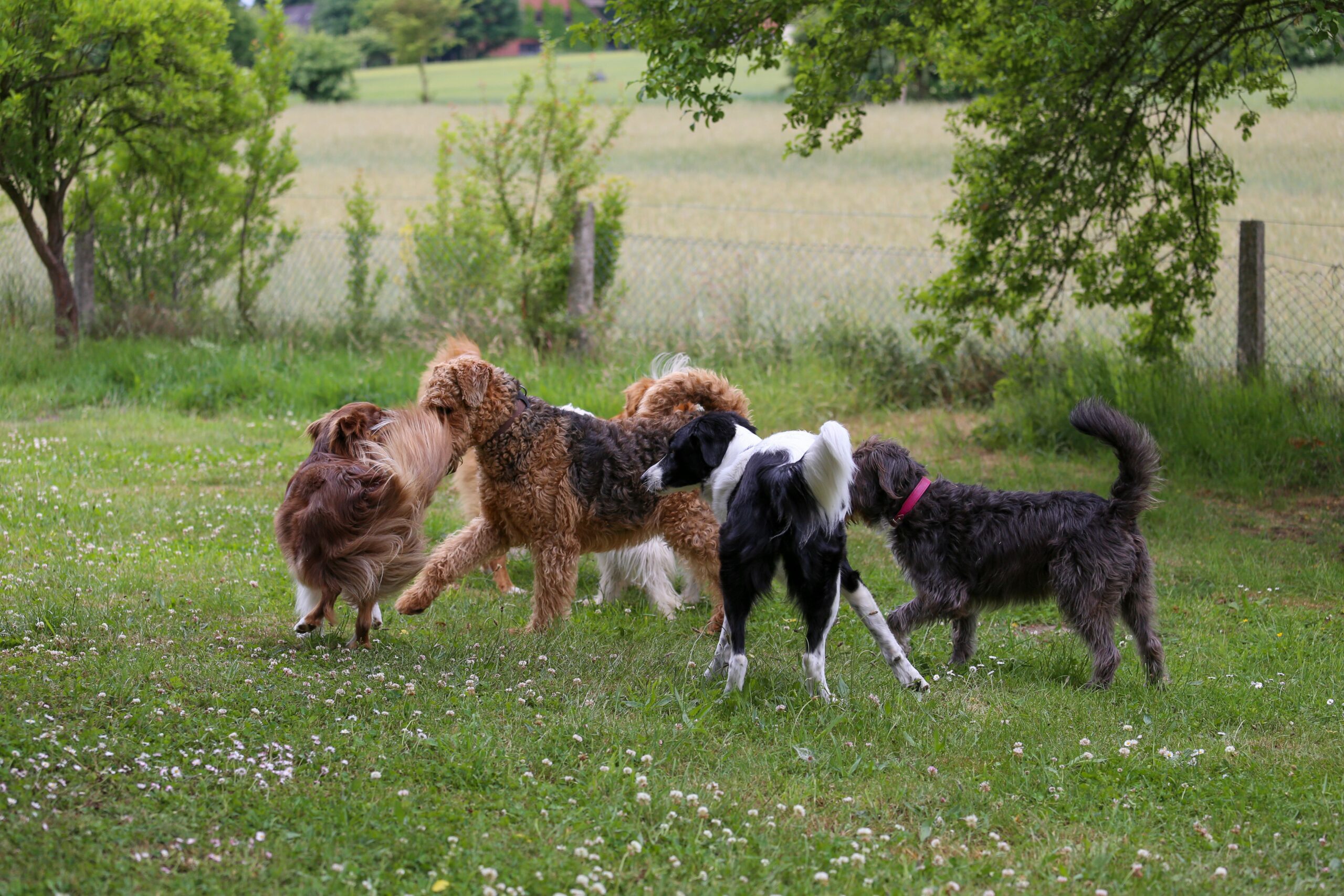
Some dogs enjoy chasing, wrestling, running, and frequent interaction. They may naturally take breaks and return to play when they are ready.
Other dogs may prefer gentler activities or short periods of interaction. Some may become uncomfortable if another dog plays too intensely.
Pay attention to how your dog behaves during play with familiar dogs. Does it regularly choose to engage? Does it respond appropriately when another dog wants to stop? Can it move away when it needs space?
These observations can help you understand whether your dog enjoys group interaction or would be more comfortable with a carefully structured routine.
Can Your Dog Take a Break?
An often overlooked factor is a dog’s ability to settle.
A dog may enjoy playing with other dogs but still need quiet periods between activities. If your dog has difficulty calming down after exciting play, a busy daycare environment may provide a lot of stimulation.
A dog that can play, pause, rest, and then return to an activity may be better equipped to handle a group routine.
This does not mean a dog that needs frequent breaks cannot participate in daycare. It means its schedule may need to include appropriate periods of rest.
Consider Energy Level
Energy level is another important consideration.
A highly active young dog may enjoy regular opportunities to move and interact. A lower energy dog may become tired more quickly and prefer shorter activity periods.
The challenge comes when dogs with very different energy levels are placed into the same routine without appropriate adjustments.
A balanced dog daycare environment should recognize that activity needs can vary. The goal is not to keep every dog moving throughout the day but to provide activities that match the individual dog’s needs.
Age Can Change the Picture
Age is an important part of the decision.
Puppies may be curious and enthusiastic but are still learning social skills and how to manage stimulation. They may benefit from carefully structured interaction and regular rest.
Adult dogs can have a wide range of social preferences. Some thrive in group settings, while others prefer individual attention.
Older dogs may continue to enjoy social activity but may have different physical and energy requirements than younger dogs.
As a dog ages, its ideal daycare routine may change. A dog that once enjoyed long periods of active group play may eventually prefer shorter sessions followed by additional rest.
Watch How Your Dog Responds After Social Activity
Your dog’s behavior after spending time with other dogs can provide useful clues.
A dog that comes home content and settles into its normal evening routine may have handled the experience comfortably.
On the other hand, a dog that appears excessively tired, unusually restless, unable to settle, or reluctant to interact after a busy day may have experienced more stimulation than it comfortably manages.
One observation is not enough to make a final decision. Look for patterns over time.
If similar behavior occurs repeatedly after group activities, discuss the situation with the daycare provider and consider whether a more individualized routine could be appropriate.
Social Skills Matter More Than Excitement
Being excited around other dogs does not automatically mean a dog is ready for group daycare.
Dogs need to communicate appropriately during social interaction. They need to recognize when another dog wants space and understand how to respond to different play styles.
A dog that repeatedly ignores another dog’s signals or becomes overly intense during interaction may need a more controlled environment.
Likewise, a dog that becomes anxious when surrounded by several unfamiliar animals may benefit from gradual social exposure rather than immediate placement in a busy group.
The focus should be on comfortable and appropriate interaction, not simply enthusiasm.
Think About Your Dog’s Individual Preferences
Your dog’s behavior at home can also help you make a decision.
Does your dog enjoy having visitors? Does it seek out other animals? Does it become overwhelmed when the house is busy? Does it prefer one on one interaction with people?
These everyday observations can provide valuable context.
A dog that constantly seeks social interaction may enjoy group activities. A dog that prefers spending time independently may appreciate an individual schedule with personalized attention.
Owners know their pets better than anyone, so these observations are worth sharing with the daycare team.
A Trial Period Can Provide Useful Information
If you are unsure whether group daycare is appropriate, a gradual introduction may provide helpful information.
Instead of assuming that your dog will either love or dislike group daycare, observe how it responds to the environment over time.
The daycare provider can monitor behavior during arrival, social interaction, activity periods, and rest periods. This information can help determine whether the dog appears comfortable in the group or would benefit from a different routine.
A flexible approach allows the dog’s actual behavior to guide the decision.
Individual Care Is Not a Sign of a Problem
Some owners may worry that choosing an individual routine means their dog is difficult or antisocial.
That is not necessarily the case.
Some dogs simply prefer personal attention. Others may have lower activity needs or may become more comfortable when their environment is quieter.
Individual care can allow activities, rest periods, and interaction to be organized around the dog’s personality.
The goal of daycare is not to make every dog fit the same schedule. It is to create a routine that supports the dog’s comfort and overall experience.
The Right Routine Can Change Over Time
A dog’s daycare needs are not permanent.
A puppy may eventually become more confident around other dogs. An adult dog may become less interested in intense group play as it grows older. A change in health, energy level, or household routine may also influence daycare preferences.
That is why owners should periodically reassess whether the current arrangement continues to suit their pet.
A good daycare experience should evolve as the dog changes.
Choosing Dog daycare in Rialto
The right daycare environment depends on the individual dog. Social confidence, play style, energy level, age, ability to rest, and behavior around other dogs can all help determine whether group daycare or a more individual routine is appropriate.
For families in Rialto, Valley Pet Hotel can be part of this decision making process. Sharing detailed information about your dog’s personality and daily habits can help the care team understand what type of routine may be most comfortable.
Whether your dog enjoys group activities or prefers personalized attention, the objective should be a balanced experience that respects its individual needs.
Plan a Daycare Routine That Fits Your Dog
If you’re exploring dog daycare in Rialto and wondering whether your dog is better suited for group play or a more personalized schedule, contact our team at Valley Pet Hotel and book a visit. Share details about your dog’s personality, energy level, social behavior, and daily routine so we can help identify a daycare experience that best matches your dog’s individual needs.
Frequently Asked Questions
Q1. How can I tell if my dog is comfortable around groups of dogs?
Ans: Watch how your dog behaves around familiar and unfamiliar dogs. A dog that willingly interacts, responds appropriately to social signals, and can take breaks may be comfortable with group activities.
Q2. Does a shy dog automatically need individual daycare?
Ans: Not necessarily. Some shy dogs may adjust gradually to social environments, while others may prefer quieter routines. Their individual behavior should guide the decision.
Q3. Can an energetic dog still need quiet time during daycare?
Ans: Yes. High energy does not eliminate the need for rest. Even active dogs benefit from breaks between play sessions so they can settle and recharge.
Q4. Should older dogs participate in group daycare?
Ans: Some older dogs enjoy group interaction, while others may prefer shorter activities and more rest. Age, physical comfort, energy level, and personality should all be considered.
Q5. Can my dog’s daycare routine change as it gets older?
Ans: Yes. A dog’s energy, social preferences, and activity needs can change throughout its life. Periodically reviewing the daycare routine can help ensure it continues to fit the dog.