1786 N Riverside Ave # 2, Rialto, CA 92376


Why Some Dogs Need Quiet Time Between Play Sessions at Daycare
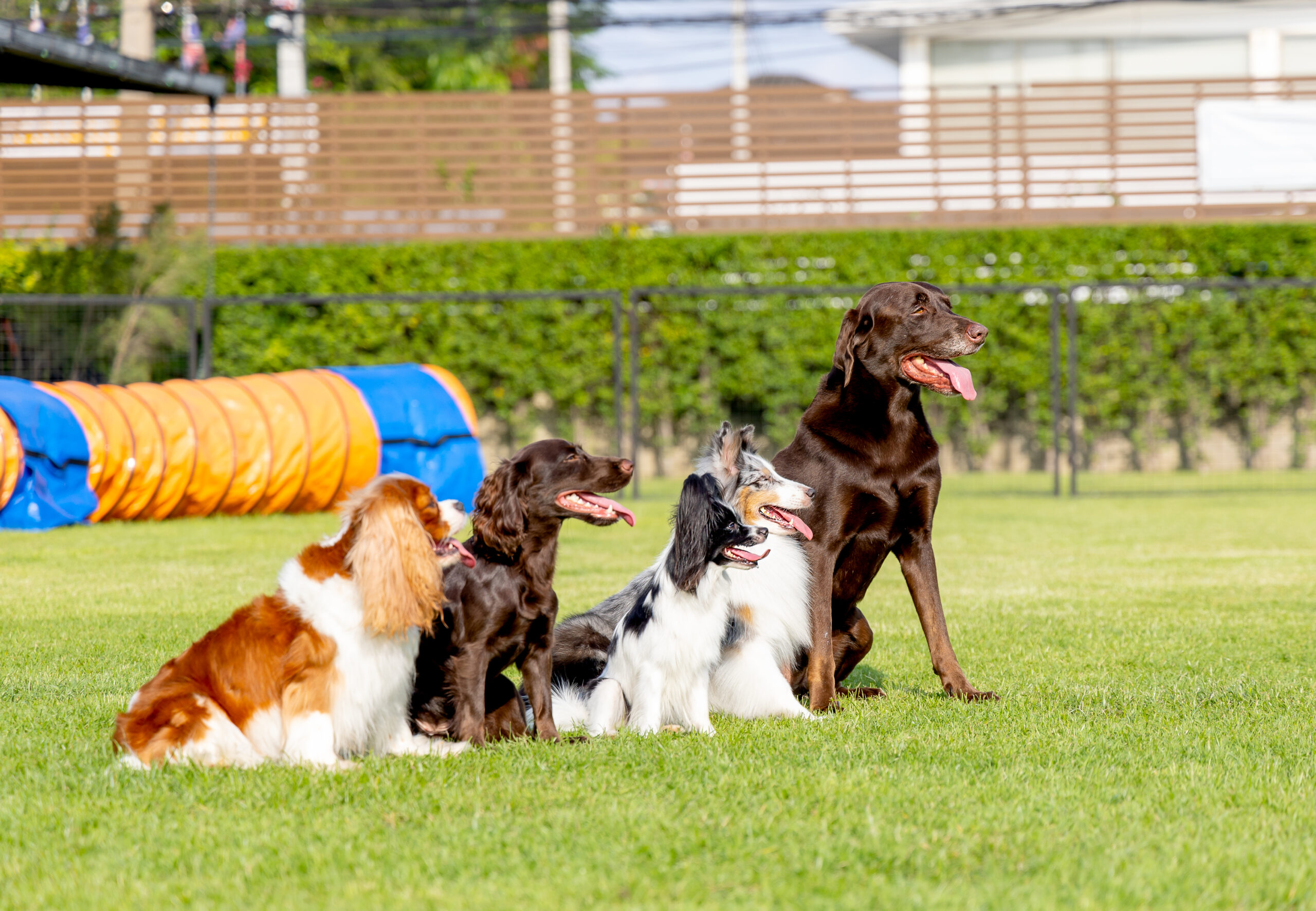
A day at daycare can be full of exciting experiences for a dog. There may be opportunities to play with other dogs, interact with caregivers, explore new surroundings, and participate in different activities. While all of this can provide mental and physical stimulation, dogs also need time to slow down.
Quiet time between play sessions is not a sign that a dog is having a boring day. In many cases, rest is an important part of maintaining a comfortable and balanced daycare routine. Without enough downtime, a dog can become overly tired or overstimulated.
For pet owners considering dog daycare in Rialto, understanding the value of rest can help them choose a setting that supports both activity and relaxation. At Valley Pet Hotel, a balanced daily routine can help dogs enjoy social and play opportunities while also having appropriate periods to settle down.
Play Is Mentally Stimulating Too
When people think about exercise, they often focus on physical movement. For dogs, play can involve much more than running.
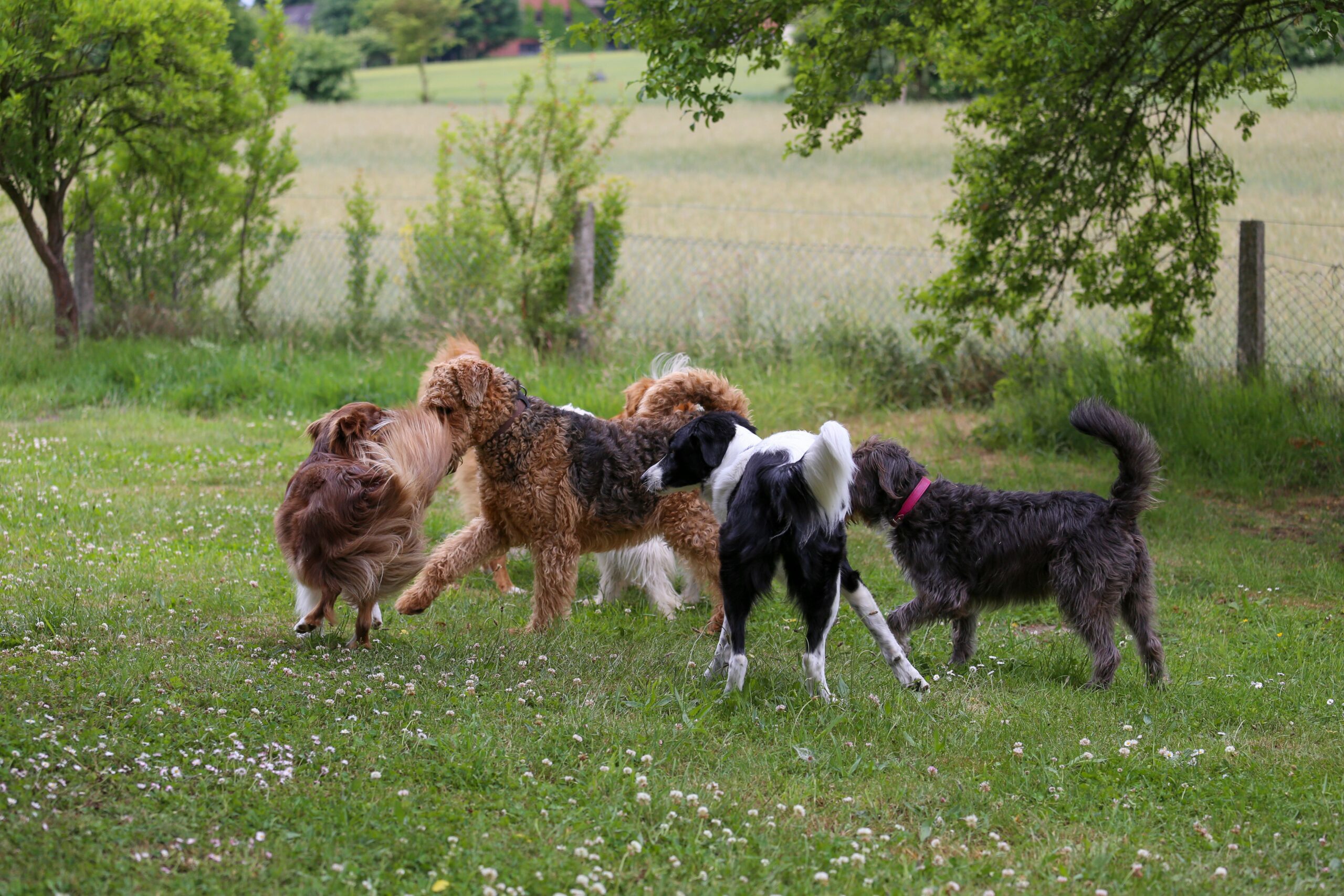
Interacting with other dogs requires constant attention. A dog may watch body language, respond to invitations to play, navigate shared spaces, and adjust its behavior based on the animals around it.
Even friendly social interaction can require considerable mental effort. New smells, unfamiliar sounds, different people, and changing activities add additional stimulation.
After a period of active play, quiet time gives the dog an opportunity to process these experiences and relax.
Not Every Dog Has the Same Energy Level
One of the biggest reasons daycare routines need flexibility is that dogs have individual personalities and activity needs.
A young, energetic dog may happily participate in several activities throughout the day. Another dog may enjoy social interaction but prefer shorter play periods followed by longer rest.
Age, breed characteristics, physical condition, personality, and previous experience with group environments can all influence how much activity a dog comfortably handles.
A daycare routine should therefore avoid assuming that every dog needs the same amount of play. Individual needs are an important part of providing thoughtful dog daycare.
What Overstimulation Can Look Like
Dogs cannot tell us when they have had enough activity, so owners and caregivers need to recognize behavioral clues.
A dog that becomes unusually restless, repeatedly seeks attention, has difficulty settling, or changes its normal interaction style may be showing signs that it needs a break.
Some dogs become less interested in play after extended activity. Others may continue trying to participate even when they are becoming tired.
This is one reason quiet periods can be useful. A dog does not always choose to stop on its own, especially when exciting social activity continues around it.
Quiet Time Helps Dogs Reset
A rest period provides a transition between high energy activities.
Instead of moving directly from one play session into another, a dog can spend time in a calmer area where stimulation is reduced. This may involve resting, relaxing, drinking water, or simply observing its surroundings.
The purpose is not necessarily to make every dog sleep. Quiet time can simply give the dog an opportunity to reduce activity and return to a calmer state.
Once the rest period is over, some dogs may be ready to participate again. Others may prefer to remain relaxed. Both responses can be perfectly normal.
Rest Can Support More Positive Social Interaction
Group play works best when dogs are able to interact appropriately with one another. Fatigue and overstimulation can sometimes affect how a dog responds to social situations.
A dog that has had adequate rest may be better prepared to engage with other dogs in a calm and appropriate way.
Regular breaks can also prevent one dog from becoming constantly involved in group activity. Some dogs benefit from stepping away temporarily before returning to social play.
This approach creates a more balanced environment where interaction is not the only part of the daycare experience.
Older Dogs May Need More Downtime
Age can make quiet periods particularly important.
Older dogs may still enjoy social interaction and play, but they may not have the same stamina as younger dogs. Longer periods of activity can leave them more tired, and they may benefit from additional opportunities to rest.
A senior dog may enjoy a shorter play session followed by a comfortable quiet period rather than continuous activity.
This does not mean older dogs should be excluded from daycare activities. Instead, their routine can be adjusted around their individual comfort and energy level.
Puppies Can Also Benefit From Breaks
Puppies are often full of energy and curiosity, which can make them eager participants in play.
However, puppies are still learning how to interact with their surroundings. They may become tired without immediately understanding that they need to stop.
Regular quiet periods can help puppies practice settling down after exciting activities. This can support the development of a balanced daily routine where play and rest are both normal parts of the day.
A structured environment can be particularly helpful for young dogs learning how to manage different types of stimulation.
Weather Can Influence Activity and Rest
Outdoor conditions can also affect how much activity is appropriate.
Warm weather may require changes to outdoor schedules, while rain or other conditions may make indoor activities more practical. Regardless of the season, dogs benefit from opportunities to rest between periods of stimulation.
This is another reason a flexible daycare routine matters. The schedule should be able to respond to the dog’s needs and the surrounding conditions rather than treating every day exactly the same.
Quiet Time Does Not Mean Less Enrichment
Some owners may worry that adding rest periods means their dog will not receive enough attention or activity.
In reality, enrichment can take many forms. Play is only one part of a dog’s day. Calm interaction, exploration, supervised activities, social observation, and comfortable rest can all contribute to a positive experience.
A well structured daycare routine balances different experiences rather than trying to keep dogs constantly occupied.
For some dogs, learning to relax in a new environment can itself be a valuable part of their daycare experience.
Owners Can Help by Sharing Their Dog’s Habits
Before enrolling a dog in daycare, owners should explain what their pet is like at home.
Does the dog normally nap during the afternoon? Does it become tired after extended play? Does it prefer short bursts of activity? Does it need a quiet space after interacting with other dogs?
These details can help caregivers understand the dog’s normal behavior.
Owners should also mention changes they notice after previous daycare visits. If a dog consistently comes home extremely tired or seems unable to settle after a busy day, its activity and rest balance may be worth discussing with the daycare provider.
A Balanced Day Can Be a Better Day
Dog daycare should not be measured by how many hours a dog spends playing. A positive experience can include active periods, social interaction, mental stimulation, meals, relaxation, and quiet time.
The right balance depends on the individual dog.
At Valley Pet Hotel in Rialto, understanding this balance can help pet owners feel more confident when choosing daycare arrangements. Dogs can enjoy opportunities for activity while also having time to slow down and recharge.
Quiet time is not wasted time. For many dogs, it is an essential part of a comfortable and well managed daycare routine.
Plan Your Dog’s Daycare Experience
Choosing the right dog daycare in Rialto starts with understanding your dog’s individual needs, including their personality, age, activity level, and regular rest habits. Contact our team at Valley Pet Hotel to learn more about our daycare routines and discover how your dog can enjoy a balanced day with supervised play, exercise, socialization, and plenty of time to relax.
Frequently Asked Questions
Q1. Why do dogs need quiet time during daycare?
Ans: Quiet time gives dogs an opportunity to rest after physical and mental stimulation. It can help them settle down before participating in another activity.
Q2. Does quiet time mean my dog is not getting enough exercise?
Ans: No. Rest is an important part of a balanced routine. Dogs can receive appropriate activity while also benefiting from breaks between play sessions.
Q3. Do older dogs need more rest during daycare?
Ans: Some older dogs may benefit from longer or more frequent rest periods because their energy and stamina can differ from those of younger dogs. Individual needs should guide the routine.
Q4. Can puppies become overstimulated during daycare?
Ans: Yes. Puppies are naturally curious and energetic, but they are still learning how to manage new experiences. Quiet periods can give them opportunities to settle after active play.
Q5. How can I tell if my dog needs more downtime at daycare?
Ans: Changes such as difficulty settling, unusual restlessness, reduced interest in interaction, or significant tiredness after daycare may indicate that the dog’s activity and rest balance should be reviewed.