1786 N Riverside Ave # 2, Rialto, CA 92376



Reducing Cat Anxiety During Boarding: Practical Advice for Pet Owners
Leaving your cat in someone else’s care—no matter how trusted—can be nerve-wracking. Cats are creatures of habit who thrive on familiar sights, smells, and routines. When suddenly placed in a new environment, their stress levels can rise quickly. Fortunately, with some preparation and awareness, you can help your feline friend feel safe, comfortable, and calm during their boarding stay.
Let’s explore practical ways to reduce cat anxiety during boarding and ensure a smoother experience for both you and your pet.
Understanding the Feline Mind: Why Cats Feel Anxious
Unlike dogs, cats often prefer predictability over adventure. When they’re removed from their usual surroundings, even small changes—like new sounds, scents, or faces—can trigger stress responses. Signs of anxiety in cats include hiding, refusing food, excessive grooming, or vocalization.
Recognizing these signals early can help you take steps before stress escalates. Think of it as reading between the whiskers! By understanding why your cat feels anxious, you can tailor your approach to calm their nerves.
Preparation is Power: Before the Boarding Begins
The smoother the transition, the calmer your cat will be. Here are some pre-boarding strategies that make a world of difference:
1. Visit the Facility Beforehand
Take a tour of the boarding facility before your cat’s stay. Listen for excessive noise, check for cleanliness, and observe how staff interact with the animals. Cats are sensitive to energy and tone—if you feel calm there, your cat will likely pick up on that.
2. Keep Vaccinations and Health Checks Up to Date
A healthy cat handles stress better. Schedule a quick veterinary visit before boarding to ensure your pet is in good condition. Also, update vaccinations and parasite preventives as required by the facility.
3. Familiarize Your Cat with the Carrier
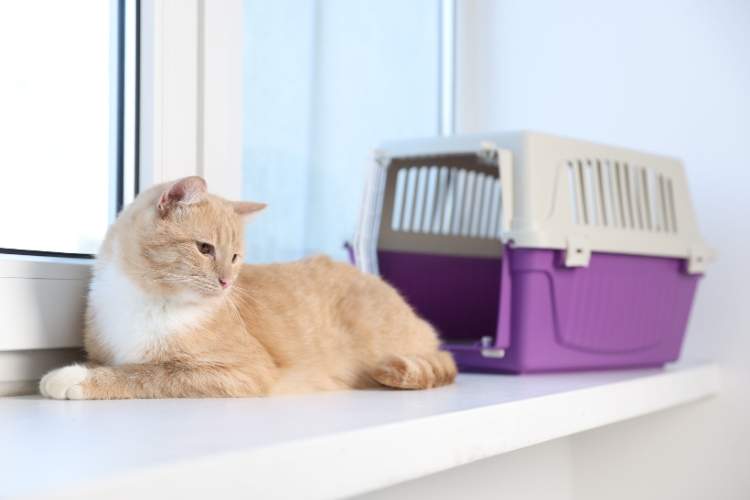
Instead of bringing out the carrier only for vet visits, leave it open at home with soft bedding or toys inside. This way, your cat associates it with comfort rather than fear.
4. Pack a Bit of Home
Bring along your cat’s favorite blanket, toy, or even an unwashed T-shirt that smells like you. Familiar scents are like emotional anchors—they provide reassurance in an unfamiliar place.
Calm Before Departure: Managing Stress on Boarding Day
The way you handle your cat before drop-off sets the tone for their entire stay.
- Stay Calm Yourself: Cats are emotional mirrors. If you’re anxious, they’ll sense it. Maintain a positive, reassuring tone.
- Avoid Last-Minute Rush: Pack everything a day ahead to prevent stressful chaos on the morning of departure.
- Use Pheromone Sprays: Synthetic feline pheromones (like Feliway) can create a sense of security during travel and arrival.
- Short Goodbyes Work Best: Don’t draw out farewells—prolonged goodbyes can increase your cat’s tension.
Communication is Key: Partnering with the Boarding Staff
The right boarding facility staff can make a significant difference in reducing anxiety. Be open about your cat’s personality, habits, and triggers. Share details such as:
- Preferred feeding times and diets
- Special routines or comfort items
- How your cat reacts to strangers or noise
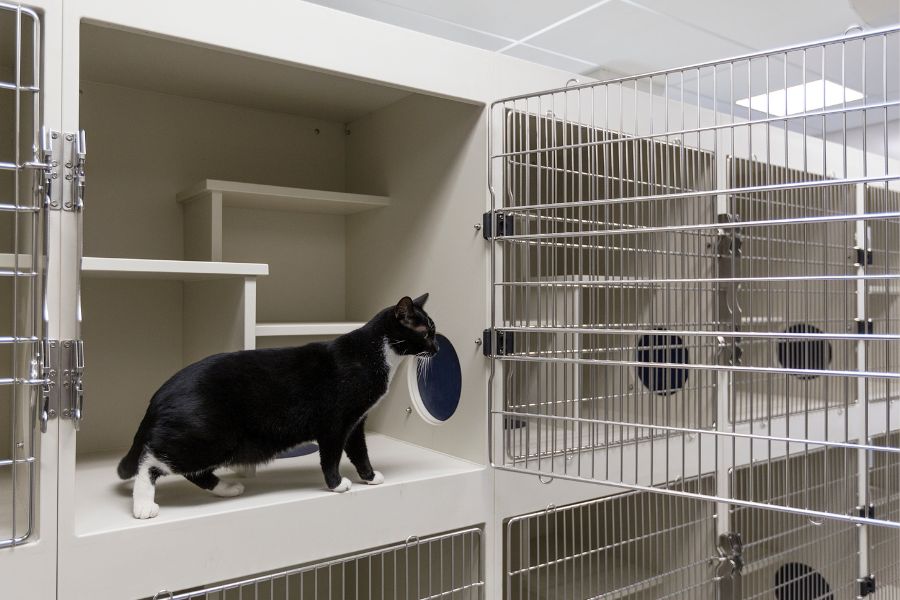
A reliable facility that understands feline behavior—like those offering cat boarding in Rialto, CA—will accommodate these needs and provide quiet, secure spaces designed for cats’ comfort.
Routine Reassurance: Keeping Familiarity in New Surroundings
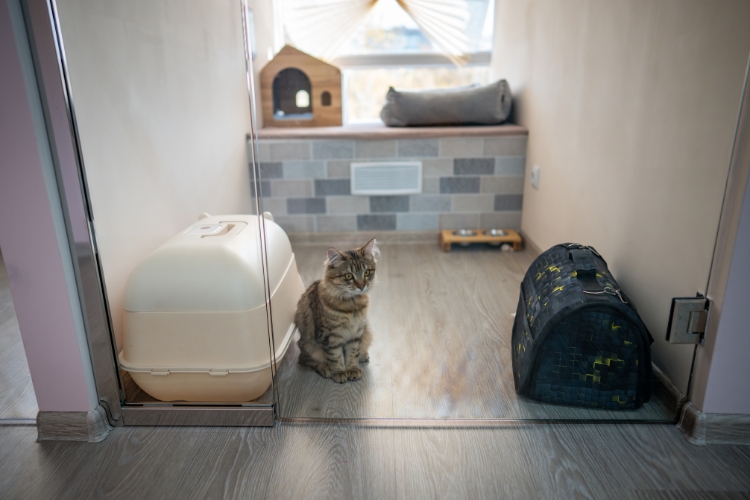
Cats thrive on consistency. To reduce anxiety, try to replicate aspects of their daily life even while they’re boarding.
- Same Food, Same Bowl: Sudden diet changes can upset your cat’s stomach and mood. Bring their regular food and bowl if allowed.
- Regular Playtime: Ask the staff to engage your cat with gentle toys or laser sessions. This keeps them active and distracted from unfamiliar sounds.
- Comfortable Hiding Options: Cats love safe hiding spots. Facilities that offer enclosed shelves or boxes help cats feel protected.
Post-Boarding Care: Reacclimating to Home
When your cat returns home, don’t be alarmed if they act a little distant or extra clingy. They’re simply readjusting. Here’s how to make the transition smooth:
- Give Them Space: Let your cat explore the home at their own pace.
- Offer Familiar Routines: Stick to their usual feeding and play schedule.
- Show Gentle Affection: Let your cat come to you for attention rather than forcing cuddles.
- Watch for Behavioral Changes: If signs of anxiety persist—like hiding, hissing, or appetite loss—contact your veterinarian.
A little patience goes a long way in restoring their sense of security.
Bonus Tip: Practice Short-Term Stays First
If your cat has never been boarded, consider doing a short trial stay. An overnight visit or a weekend stay helps them adjust to the new environment without overwhelming stress. By gradually increasing their time away from home, you can build confidence for longer boarding periods.
A Calm Cat Means a Happy Cat
Reducing cat anxiety during boarding isn’t about perfection—it’s about preparation, patience, and understanding. Each cat is unique; some adjust quickly, while others need extra reassurance. By familiarizing your cat with the boarding process, maintaining routines, and communicating with staff, you’re setting the stage for a peaceful experience.
Your cat may not thank you with words, but when you see that relaxed stretch or hear that soft purr during pickup, you’ll know your efforts made a world of difference.
Boarding doesn’t have to be a stressful experience. With the right preparation and understanding, it can be a positive one—offering your feline friend comfort, care, and calm while you’re away.