New Clients Special: $1 First Day of Daycare or First-Night Boarding!



Top Tips for Choosing a Cat Boarding Facility That Meets Your Needs
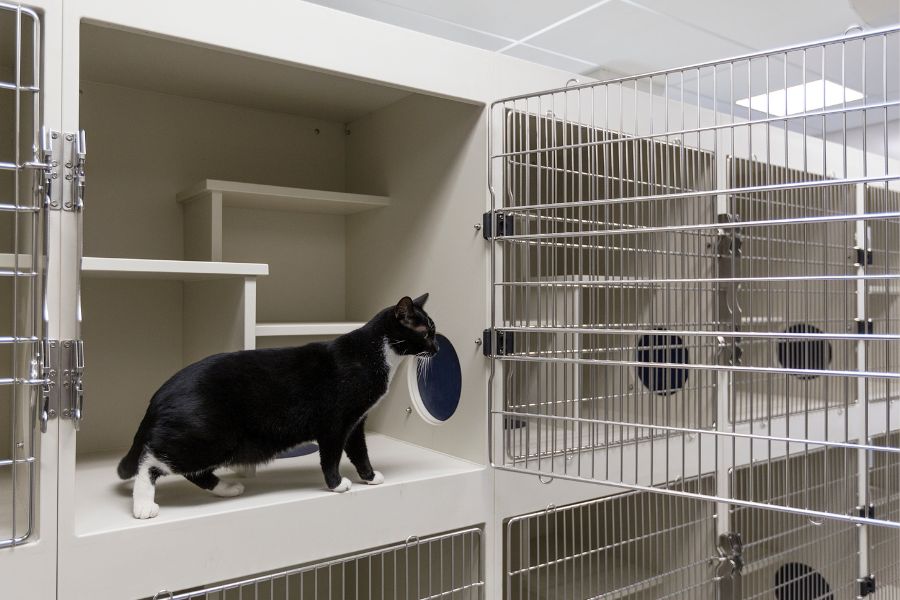
Leaving your cat behind while you travel is never easy. You want to feel confident that your pet will be safe, comfortable, and well cared for. The right cat boarding facility can offer structure, security, and peace of mind. The wrong one can create stress for both you and your cat.
If you are searching for care in your local area, this guide will help you make a clear and informed choice. Below, you’ll find practical steps, simple checklists, and key questions to ask before booking.
Why Choosing the Right Cat Boarding Facility Matters
Cats are creatures of habit. Changes in routine, space, and sounds can affect their mood and health. A good boarding environment reduces stress, maintains routine, and supports your cat’s physical and emotional well-being.
The quality of care also affects cat boarding longevity, which refers to how well your cat handles short or extended stays over time. Cats that have positive boarding experiences tend to adjust more easily in the future. That means less anxiety for them and less worry for you.
Start With Research Close to Home
Begin by searching for cat boarding options in your city or county. Look for facilities that clearly explain their services, policies, and safety standards.
What to Check Online
- Updated website with detailed information
- Clear photos of the boarding areas
- Vaccination requirements
- Staff qualifications
- Transparent pricing
- Recent client reviews
Read reviews carefully. Look for patterns. If multiple pet owners mention cleanliness, attentive staff, or calm environments, that’s a good sign. If complaints repeat about odors, illness, or lack of communication, pay attention.
Schedule an In-Person Visit Before Booking
Photos online only tell part of the story. Visit the facility during business hours.
During Your Visit, Observe:
- Is the space clean and odor-free?
- Are litter boxes maintained properly?
- Is the temperature comfortable?
- Do cats appear calm?
- Are enclosures secure and spacious?
You should feel welcome to ask questions. Staff members should answer clearly and confidently.
If a facility avoids giving tours or seems rushed, consider that a red flag.
Evaluate Safety and Health Standards
Health and safety should always come first in cat boarding.
Ask About:
- Required vaccinations
- Parasite prevention policies
- Cleaning routines
- Isolation areas for sick cats
- Emergency procedures
Most reputable facilities require proof of vaccinations, such as rabies and FVRCP. This protects all boarded cats.
Also, ask how often enclosures are cleaned and how they prevent cross-contamination. Clean food bowls, fresh water, and sanitized litter boxes should be part of daily care.
Understand Staff Experience and Supervision
Experienced caregivers make a major difference.
Ask these questions:
- How long has the staff worked here?
- Is someone on-site overnight?
- What training do employees receive?
- How often are cats monitored?
Cats in boarding should be checked multiple times a day. Some facilities offer 24-hour supervision, while others have set staffing hours. Choose what makes you most comfortable.
Strong supervision supports cat boarding longevity by helping cats adapt safely over repeat stays.
Look at Housing and Comfort Features
Not all cat boarding setups are the same. Some provide basic enclosures. Others offer multi-level suites with climbing shelves and windows.
Consider These Comfort Factors:
- Vertical space for climbing
- Hiding spots
- Soft bedding
- Natural light
- Quiet separation from dogs
Cats feel safer when they can perch up high or retreat to a covered area. Loud barking nearby can cause stress. Ask if cats are housed separately from dogs in a different room or wing.
Ask About Daily Routine and Enrichment
Cats need more than food and a litter box. Mental stimulation matters.
Ask the Facility:
- How often are cats fed?
- Can you bring your own food?
- Is playtime included?
- Do staff interact with cats daily?
- Are toys provided?
Some facilities offer individual play sessions. Others provide puzzle feeders or window perches for enrichment. These small details improve your cat’s experience and contribute to positive cat boarding longevity.
Special Needs and Medical Care
If your cat takes medication or has health concerns, clear communication is essential.
Clarify:
- Can staff administer oral or injectable medications?
- Is there a veterinarian on call?
- What happens if your cat stops eating?
Cats can develop stress-related appetite changes. Staff should monitor food intake and alert you if there are concerns.
Bring written instructions and labeled medications. Make sure dosing schedules are understood.
Review Policies on Communication
While you are away, updates can ease your mind.
Ask if the facility offers:
- Text or email updates
- Photo sharing
- Emergency contact calls
You should also confirm their emergency contact policy. If your cat needs unexpected care, who makes decisions? Are you notified before treatment?
Clear communication builds trust.
Compare Costs Without Sacrificing Quality
Pricing varies across the United States depending on region and services offered. Basic cat boarding may range from $20 to $45 per night, while luxury suites can cost more.
Do not base your decision only on price. Look at the value. A slightly higher rate may include playtime, medication administration, and daily monitoring.
Ask for a written estimate before booking. Understand cancellation policies and peak holiday rates.
Consider Trial Stays for First-Time Boarders
If your cat has never stayed in a boarding facility, consider a short weekend stay before a longer trip.
This trial visit helps you assess:
- How your cat adjusts
- How staff communicate
- Whether your cat returns home calm and healthy
Positive early experiences support long-term cat boarding longevity. Cats that adapt well once often do better during future stays.
Questions to Ask Before Making Your Final Decision
Bring this checklist with you:
- What are your vaccination requirements?
- How many cats are boarded at one time?
- Is there overnight supervision?
- How often are enclosures cleaned?
- What enrichment activities are provided?
- What happens in a medical emergency?
Direct answers reflect transparency and professionalism.
Signs You’ve Found the Right Cat Boarding Facility
You will feel confident in your choice when:
- Staff communicate clearly
- The facility is clean and calm
- Policies are explained without hesitation
- Your cat seems relaxed during pickup
Trust your instincts. If something feels off, continue your search.
Supporting Your Cat Before Boarding
Preparation makes a difference.
Before Drop-Off:
- Pack your cat’s regular food
- Bring a familiar blanket or toy
- Confirm emergency contacts
- Provide written care instructions
Keep drop-off calm and brief. Cats respond to your emotions. If you stay relaxed, they are more likely to remain calm.
Conclusion: Make an Informed Choice With Confidence
Choosing the right cat boarding facility takes time, but the effort protects your cat’s comfort and health. Look for cleanliness, trained staff, clear safety standards, and thoughtful enrichment. Ask direct questions. Visit in person. Review policies carefully.
A well-run boarding facility supports not only short-term care but also long-term cat boarding longevity. Positive experiences today make future stays easier for your cat.
If you are unsure which option fits your pet’s needs, speak with your local animal care professional or schedule a consultation with a trusted boarding provider in your area. Taking this extra step ensures your cat receives safe, attentive care while you are away.
Your peace of mind starts with informed decisions. Begin your research today and choose a boarding experience that truly meets your needs.
Frequently Asked Questions (FAQs)
1. How far in advance should I book cat boarding?
Book at least two to four weeks in advance. During holidays, reserve even earlier since facilities fill quickly.
2. What vaccinations are required for cat boarding?
Most facilities require rabies and FVRCP vaccinations. Some may ask for proof of parasite prevention.
3. Can I bring my cat’s own food?
Yes. Many boarding facilities encourage bringing your cat’s regular food to prevent digestive upset.
4. How do I reduce my cat’s stress during boarding?
Bring familiar bedding, keep drop-off calm, and choose a quiet facility with enrichment options.
5. Is cat boarding safe for older cats?
Yes, if the facility has strong health monitoring and medication support. Discuss any medical conditions beforehand.
6. What is cat boarding longevity?
Cat boarding longevity refers to how well a cat adapts to repeated or extended stays over time. Positive early experiences improve comfort during future visits.