New Clients Special: $1 First Day of Daycare or First-Night Boarding!



How Your Cat’s Personality Can Influence Their Boarding Experience
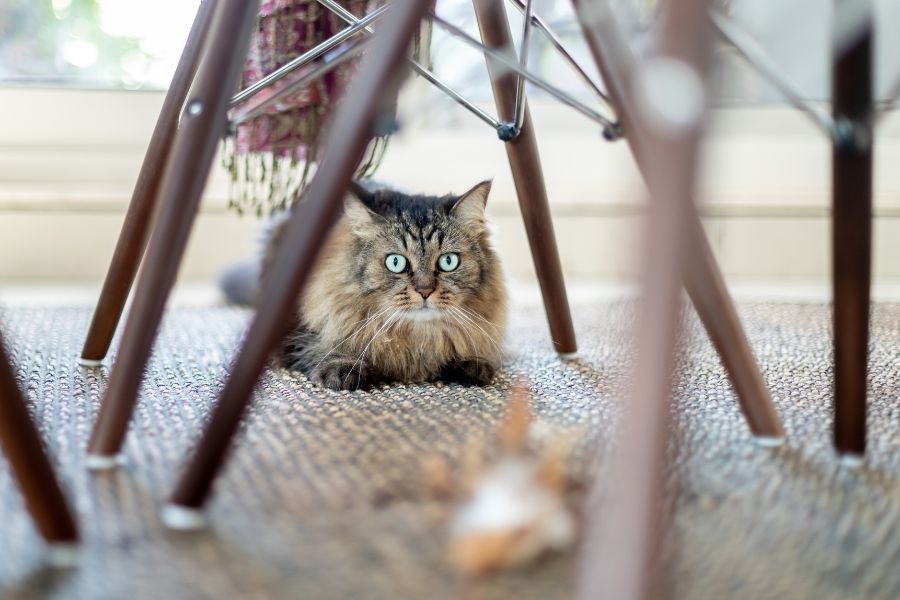
Have you ever noticed how one cat walks into a new room like they own it, while another disappears under the nearest couch? That difference matters more than many pet owners realize when it comes to cat boarding. A cat’s personality can shape how they eat, rest, play, and settle into a new environment, which is why thoughtful boarding care should always account for temperament.
Some cats are naturally bold and curious. Others are quiet, watchful, and deeply attached to familiar routines. Neither personality is “better.” They just need different kinds of support. For cat owners in Rialto, understanding those differences can make boarding feel far less stressful for both pets and people.
Cat Boarding for Shy Cats vs. Confident Cats
A boarding stay is not one-size-fits-all. The same environment that makes one cat content can feel overwhelming to another. That is why good boarding care starts with observing how a cat responds to change.
Confident Cats Often Adjust More Quickly
Outgoing cats usually settle in faster. They may explore their space right away, investigate new smells, and show interest in toys or human interaction sooner. These cats still need routine and reassurance, but they often handle the transition with less hesitation.
Shy Cats Need a Slower Introduction
Reserved cats may need more time to feel safe. They may hide, eat less at first, or avoid interaction until they understand the space. That does not mean they are unhappy. It usually means they are processing the new environment at their own pace.
A boarding team that understands feline behavior can support both personality types without forcing interaction or overstimulation.
What Temperament Tells Caregivers About Your Cat
A cat’s temperament offers useful clues about the kind of boarding experience they are likely to have. That is why good boarding facilities ask about behavior, home routines, and comfort levels before a stay begins.
Helpful Personality Traits to Share
Pet owners should share details such as:
- Whether the cat likes handling
- How they respond to strangers
- Their eating habits in new places
- Noise sensitivity
- Whether they prefer hiding spots or open spaces
- How they react to other pets
These details help caregivers create an environment that feels calmer and more predictable.
Why Routine Matters So Much in Cat Boarding
Routine is one of the strongest comfort tools for cats. Even confident cats tend to do better when feeding, cleaning, and quiet time happen on a consistent schedule.
A predictable routine can help a cat:
- Feel safer
- Adjust more easily
- Maintain appetite
- Reduce stress behaviors
- Rest more comfortably
This is especially important during a boarding stay, when normal home cues are missing.
In a busy Rialto household, that stability can make a real difference for cats who are sensitive to change.
Signs Your Cat May Need Extra Support During Boarding
Some cats adapt quickly, while others need a gentler approach. Recognizing stress signals early helps boarding staff respond before discomfort builds.
Common Stress Cues
Watch for:
- Hiding for long periods
- Refusing food
- Excessive grooming
- Vocalizing more than usual
- Stiff body posture
- Wide eyes or flattened ears
- Avoiding litter box use
These behaviors can indicate anxiety or hesitation. They do not always mean a cat cannot board well, but they do show that the care plan may need adjusting.
What Confident Cats May Need Instead
A confident cat might not hide, but that does not mean they are stress-free. Some bold cats become bored if they do not get enough stimulation. Others may act overly curious and need boundaries.
They often do best with:
- Enrichment toys
- Gentle human interaction
- Safe spaces to explore
- Predictable play and rest periods
The Role of Environment in Reducing Stress
The boarding setting itself has a major influence on how a cat feels. Even the most adaptable cat can become uneasy if the space is loud, crowded, or too stimulating.
A Comfort-First Layout Helps Cats Settle In
Cats often prefer spaces that offer both visibility and privacy. Quiet resting areas, clean enclosures, and low-noise surroundings can help them feel more secure.
Familiar Smells Can Help Too
Many cats calm down when they have something familiar from home, such as a blanket or bedding with a known scent. Small comforts like these can support a smoother transition.
Personality-Based Care Is Better Care
The best boarding experiences are built around the cat, not just the facility. A shy cat should not be pushed into social interaction. A confident cat should not be left without stimulation. When caregivers adapt to personality, cats are more likely to settle, eat, and rest well.
That is why cat boarding should always include an intake conversation about behavior, routines, and stress triggers. The more a boarding team knows, the better they can tailor the stay.
For pet owners in Rialto, that personalized approach can take a lot of worry out of travel planning.
How Cat Boarding Can Still Feel Comfortable for Highly Sensitive Cats
Some cats are especially attached to home life and may need a more gradual boarding adjustment. That does not mean they cannot have a positive experience.
Helpful strategies may include:
- Quiet placement away from heavy activity
- Limited changes to feeding routines
- Private resting areas
- Gentle, low-pressure interaction
- Extra observation during the first part of the stay
A thoughtful boarding team will look for comfort, not just compliance.
When to Ask Questions Before a Boarding Stay
Before booking, ask how the facility handles different personalities. A strong boarding program should be able to explain how they support shy, anxious, playful, and confident cats differently.
Good questions include:
- How do you help new cats settle in?
- Can routines be adjusted for nervous pets?
- What happens if a cat stops eating?
- How do you manage cats that prefer quiet?
- What enrichment options are available?
These questions help you choose a place that respects your cat’s temperament, not just their reservation.
A Better Boarding Experience Starts With Understanding Personality
Cats communicate through behavior, posture, appetite, and energy level. When those signals are understood, boarding becomes less stressful and more predictable. Whether your cat is outgoing or reserved, the right approach can help them feel more secure during time away from home.
Schedule Your Cat’s Stay Today
At Valley Pet Hotel, we know that every cat has their own way of handling change. Schedule an online appointment to discuss your cat’s needs, personality, and boarding preferences before their stay.
Call our team at 909-301-8299 to learn more about availability and how we can help make boarding a calmer experience for your cat.
Frequently Asked Questions
Q1. How does my cat’s personality affect boarding?
Personality shapes how quickly a cat adjusts to a new space, how much interaction they want, and how they respond to feeding, rest, and enrichment. A shy cat may need more privacy, while a confident cat may benefit from more stimulation and exploration.
Q2. What should I tell the boarding team about my cat?
Share your cat’s habits, favorite routines, stress triggers, feeding preferences, and how they react to strangers or other animals. These details help caregivers create a stay that feels more familiar and less overwhelming.
Q3. Can nervous cats still do well in boarding?
Yes. Many nervous cats adjust well when the environment is quiet, predictable, and handled with patience. The key is giving them time, routine, and enough space to settle in without pressure.
Q4. What are signs my cat is uncomfortable during boarding?
Hiding, refusing food, excessive grooming, unusual vocalizing, and changes in litter box habits can all suggest stress. These signs help caregivers know whether your cat needs a slower pace or a different setup.
Q5. Should I bring anything from home for my cat’s stay?
A familiar blanket, bedding, or toy can help your cat feel more secure because it carries home smells. Ask the boarding team what items are helpful and what they are able to safely keep with your cat.