New Clients Special: $1 First Day of Daycare or First-Night Boarding!



How Dog Boarding Facilities Manage Group Play Safely
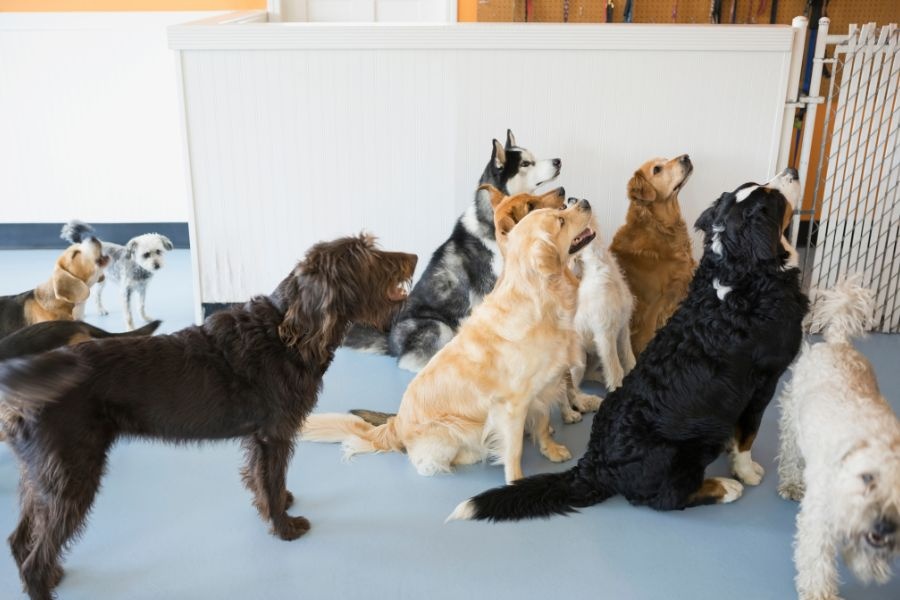
For many pet owners, one of the biggest concerns about boarding is whether their dog will interact safely with other dogs. Social play can be a valuable part of a boarding experience, helping pets stay active, engaged, and mentally stimulated while away from home. However, successful group play doesn’t happen by chance. Professional dog boarding facilities use carefully planned procedures, trained staff, and structured environments to ensure dogs can interact safely and comfortably.
Group play offers numerous benefits, including exercise, socialization, confidence-building, and stress reduction. When managed properly, it creates a positive experience that supports a dog’s physical and emotional well-being. Understanding how boarding facilities supervise and organize group activities can help pet owners feel more confident when choosing care for their dogs.
Why Group Play Matters in Dog Boarding
Dogs are naturally social animals. Many enjoy interacting with other dogs through play, exploration, and communication. Group play provides opportunities for healthy social engagement while helping prevent boredom during a boarding stay.
Some key benefits include:
- Physical exercise and energy release
- Mental stimulation
- Improved social skills
- Reduced stress and anxiety
- Increased confidence in new environments
While these benefits are valuable, safe participation requires proper planning and supervision.
How Dog Boarding Facilities Evaluate Dogs Before Group Play
Behavioral Assessments
Before a dog joins a group setting, many boarding centers conduct a behavioral assessment. This process helps staff understand a dog’s personality, comfort level, and play style.
During the evaluation, staff may observe:
- Reactions to new environments
- Comfort around unfamiliar dogs
- Communication signals
- Energy levels
- Play preferences
This information helps determine whether group play is appropriate and what type of playgroup would be the safest fit.
Health Screening
A healthy environment is essential for successful group activities. Boarding facilities typically review health records and assess each dog’s overall condition before allowing participation in communal spaces.
Health screenings help ensure dogs are physically capable of engaging in group activities and reduce the likelihood of illness spreading among guests.
Grouping Dogs Based on Compatibility
One of the most important safety measures involves creating compatible playgroups.
Size-Based Grouping
Large dogs and small dogs often have different play styles and physical abilities. Separating dogs by size helps reduce accidental injuries and creates a more comfortable environment for everyone.
Energy Level Matching
A highly energetic dog may overwhelm a calm or senior pet. Facilities often create groups based on activity levels so dogs can interact with companions who enjoy similar types of play.
Temperament Considerations
Staff evaluate behavioral traits to ensure compatible personalities are grouped together. Confident, playful dogs may thrive in one group, while gentle or reserved dogs may do better in another.
Careful matching significantly improves safety and enjoyment.
The Role of Trained Staff During Play Sessions
Professional supervision is one of the biggest reasons group play remains safe in quality boarding environments.
Constant Observation
Staff members actively monitor dogs throughout play sessions rather than simply watching from a distance. They look for signs of:
- Overstimulation
- Fatigue
- Stress
- Resource guarding
- Rough play
Early intervention helps prevent minor issues from escalating.
Understanding Canine Body Language
Experienced caregivers are trained to recognize subtle behavioral cues.
These may include:
- Tail position changes
- Ear movement
- Posture shifts
- Avoidance behaviors
- Vocalizations
By understanding these signals, staff can quickly determine when dogs are having fun and when adjustments may be needed.
Structured Play Is Safer Than Unrestricted Play
Many people assume dogs should simply be placed together and allowed to play freely. In reality, structured play environments tend to be safer and more successful.
Scheduled Play Sessions
Rather than providing nonstop activity, facilities often schedule designated play periods followed by rest breaks.
Benefits of structured schedules include:
- Reduced overstimulation
- Better hydration opportunities
- Lower stress levels
- Improved behavior throughout the day
Controlled Group Sizes
Smaller groups are generally easier to supervise and manage. Maintaining appropriate dog-to-staff ratios allows caregivers to monitor interactions more effectively.
Safety Features Found in Modern Boarding Facilities
Many Dog Boarding Facilities invest in specialized spaces designed to support safe socialization.
Secure Play Areas
Play yards often include:
- Durable fencing
- Separate entry and exit points
- Non-slip surfaces
- Shade structures
- Clean water stations
These features help create a comfortable and secure environment for play.
Separate Zones
Facilities may maintain different play areas based on:
- Size
- Age
- Energy level
- Activity type
Separate spaces help accommodate diverse needs while minimizing risks.
When Dogs Need Individual Playtime
Not every dog enjoys group settings, and that’s perfectly normal.
Some pets may prefer:
- One-on-one interaction with staff
- Individual exercise sessions
- Private play yards
- Personalized enrichment activities
Quality boarding programs recognize that socialization is not a one-size-fits-all experience. The goal is always to provide the most comfortable and enjoyable experience for each dog.
How Staff Respond to Behavioral Changes
Even dogs that normally enjoy social play can have off days. Boarding professionals continuously evaluate behavior throughout a pet’s stay.
Common reasons staff may temporarily remove a dog from group play include:
- Signs of stress
- Fatigue
- Excessive excitement
- Discomfort around other dogs
- Changes in physical condition
Allowing time for rest often helps dogs return to activities feeling refreshed and comfortable.
Preparing Your Dog for Boarding Group Play
Pet owners can help their dogs succeed during boarding by providing detailed information before their stay.
Helpful information includes:
- Previous boarding experiences
- Socialization history
- Known behavioral preferences
- Energy level
- Favorite activities
The more information caregivers receive, the better they can create a personalized experience.
Choosing a Facility That Prioritizes Safety
When evaluating boarding options, ask questions about group play policies and supervision procedures.
Important topics include:
- Staff training programs
- Behavioral evaluations
- Group size limits
- Playgroup matching methods
- Daily activity schedules
- Individual play alternatives
Facilities that emphasize structured supervision and individualized care are often better equipped to provide positive experiences.
Final Thoughts
Group play can be one of the most rewarding aspects of a boarding stay when managed properly. Through careful evaluations, compatible group assignments, trained supervision, and structured activities, Dog Boarding Facilities create environments where dogs can enjoy social interaction safely.
If you are from Rialto and looking for Dog Boarding Facilities that prioritize safe, supervised group play, taking time to understand their procedures can help ensure a positive experience for your pet.
Schedule Your Dog’s Stay Today
Give your dog a comfortable, engaging, and well-supervised boarding experience. Contact Valley Pet Hotel today to schedule an online reservation and learn more about the activities and personalized care available during your pet’s stay.
Frequently Asked Questions
Q1. How do boarding facilities determine if my dog can participate in group play?
Most facilities conduct behavioral evaluations before introducing dogs to group settings. Staff assess temperament, social skills, energy level, and comfort around other dogs to determine whether group play is appropriate and which playgroup would be the safest match.
Q2. Are dogs supervised at all times during group play sessions?
Professional boarding facilities typically provide continuous supervision during play periods. Staff actively monitor interactions, observe body language, and step in when necessary to ensure a safe and positive environment for all participating dogs.
Q3. What happens if my dog doesn’t enjoy playing with other dogs?
Many facilities offer alternative activities for dogs that prefer individual attention. These may include private exercise sessions, one-on-one playtime with caregivers, enrichment activities, and personalized care plans designed around the dog’s comfort level.
Q4. Can senior dogs participate in group play?
Yes, many senior dogs enjoy social interaction. Boarding facilities often place older dogs in calmer groups with compatible companions and activity levels to ensure a comfortable and enjoyable experience without excessive physical demands.
Q5. How can I help prepare my dog for group play during boarding?
Providing detailed information about your dog’s personality, previous boarding experiences, social behavior, and activity preferences can help staff create a suitable play plan. Familiarity with social situations before boarding may also support a smoother transition.