New Clients Special: $1 First Day of Daycare or First-Night Boarding!



What to Expect During Your Dog’s First Boarding Stay
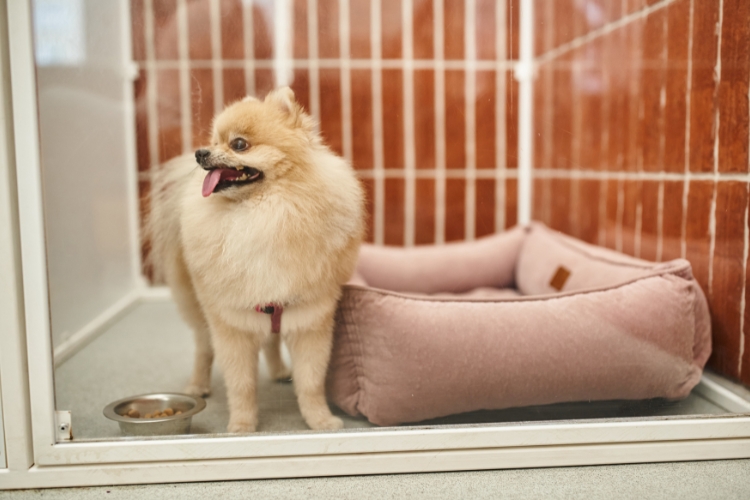
Leaving your dog in someone else’s care for the first time can feel overwhelming. Many pet owners worry about how their dog will adjust, eat, sleep, and interact in a new environment. A little preparation and understanding can make the entire process smoother and far less stressful for both you and your pet. Knowing what happens during a stay helps build confidence and trust in the process.
Many pet families look for clear answers before making a decision. This guide is especially for pet owners of Rialto, CA, who want a simple breakdown of what happens before, during, and after a boarding stay. Learning what to expect when boarding your dog can ease your pet’s anxiety and help you prepare for a positive experience.
Why Boarding Can Be a Positive Choice for Your Dog
A boarding stay is more than just a place for your dog to sleep. Structured environments provide routine, social time, and regular care that keep dogs active and engaged. Many facilities are designed to meet both physical and emotional needs during a stay.
A well-managed dog boarding environment includes feeding schedules, playtime, rest periods, and monitoring throughout the day. Dogs often benefit from interaction with trained staff and other dogs, which can improve social behavior and reduce boredom.
Preparing Before the Stay Begins
Preparation plays a major role in how well your dog adjusts. A few simple steps before drop-off can make a noticeable difference in comfort and behavior.
Health and Records to Keep Ready
Boarding facilities usually require up-to-date health records to ensure the safety of all pets. Keeping everything organized ahead of time helps avoid delays at check-in.
- Vaccination records: Proof of vaccines helps prevent the spread of illness. Most facilities require core vaccines before accepting any dog.
- Recent vet visit: A checkup with a vet ensures your dog is healthy enough for a stay. Any concerns can be addressed before boarding begins.
- Medication details: Clear instructions help staff provide the correct dosage and timing if your dog needs medication.
Getting Your Dog Comfortable with New Settings
Dogs often react better when they are familiar with changes ahead of time. Gradual exposure helps reduce fear and confusion.
- Short visits first: A brief visit allows your dog to explore the space and meet caregivers before a longer stay.
- Practice separation: Leaving your dog alone at home for short periods can help prepare them for time away from you.
These simple first-time dog boarding tips can help your dog adjust more smoothly during their stay.
What Happens During Check-In
The check-in process is designed to gather important information while helping your dog settle into the environment. Staff members typically ask questions about your dog’s habits, feeding schedule, and behavior.
Information You May Be Asked to Provide
- Feeding routine: Details about portion sizes and meal times help maintain consistency.
- Behavior notes: Information about your dog’s temperament or triggers helps staff handle your dog appropriately.
- Emergency contact: Having a backup contact ensures quick communication if needed.
A calm and confident attitude during drop-off can help your dog feel more secure. Dogs often pick up on their owner’s emotions, so staying relaxed makes a difference.
Daily Routine Inside the Boarding Facility
Structure plays a key role in helping dogs feel safe and settled. Most facilities follow a consistent schedule that balances activity and rest.
Typical Day for a Boarding Dog
Morning Care
Dogs are usually fed and taken out for bathroom breaks early in the day.
Playtime Sessions
Supervised group or individual play helps burn energy and encourages social interaction.
Rest Periods
Quiet time allows dogs to relax between activities and avoid overstimulation.
Evening Routine
Dinner, light activity, and bedtime preparation help wind down the day.
A well-planned pet boarding routine ensures that dogs stay active without feeling overwhelmed.
How Dogs Adjust Emotionally
Emotional adjustment varies depending on the dog’s personality and past experiences. Some dogs settle quickly, while others may need more time to feel comfortable.
Signs Your Dog Is Adjusting Well
- Eating normally: A healthy appetite often indicates comfort in the new setting.
- Engaging in play: Willingness to interact shows growing confidence.
- Relaxed body language: Calm posture and normal behavior suggest reduced stress.
Signs of Mild Stress
- Reduced appetite: Temporary changes in eating habits are common during the first day or two.
- Increased restlessness: Pacing or whining may occur as dogs adjust to unfamiliar surroundings.
Staff members monitor these behaviors closely and adjust care routines as needed. Communication with a vet may be necessary if any health concerns arise during the stay.
What to Pack for a Smooth Stay
Packing the right items can help your dog feel more at home. Familiar scents and routines provide comfort in a new environment.
Essential Items to Bring Along
- Regular food supply: Maintaining the same diet prevents digestive issues and helps maintain routine.
- Favorite blanket: Familiar smells can reduce anxiety and improve relaxation.
- Toys or comfort items: Personal items help create a sense of security during downtime.
A simple dog boarding checklist for owners ensures nothing important is forgotten before drop-off.
Safety Measures You Should Expect
Safety is one of the most important aspects of any boarding facility. Clear procedures help protect all dogs during their stay.
Key Safety Practices
- Supervised play areas: Dogs are monitored during interactions to prevent conflicts.
- Clean living spaces: Regular cleaning reduces the risk of illness and keeps dogs comfortable.
- Emergency protocols: Staff members are trained to respond quickly to any health issues that arise.
Access to a veterinarian ensures that medical concerns are addressed without delay if needed.
Picking Up Your Dog After the Stay
Reunion day can be exciting, but it is normal for dogs to behave a little differently at first. Some dogs may feel extra energetic, while others may need time to rest.
What to Expect After Boarding
Temporary Behavior Changes
Changes in sleep patterns or energy levels usually settle within a day or two.
Increased Thirst Or Hunger
Activity levels during boarding may affect eating and drinking habits.
Extra Affection
Many dogs show excitement and closeness after being reunited with their owners.
Observing your dog closely after pickup helps ensure they return to their normal routine smoothly.
Common Mistakes to Avoid Before Boarding
Avoiding simple mistakes can improve the overall boarding experience for your dog.
Skipping trial visits
A short visit before the stay helps reduce anxiety during drop-off.
Changing diet suddenly
Sudden food changes can upset your dog’s stomach during boarding.
Forgetting medical updates
Keeping records up to date ensures a smooth check-in process.
Packing too many items
Bringing only essential items keeps your dog’s space organized and stress-free.
A veterinarian can help confirm your dog is ready for boarding if you are unsure about their health status.
Finding the Right Boarding Environment
Choosing the right place plays a big role in your dog’s comfort and safety. Clean spaces, structured routines, and attentive care should always be priorities.
Many pet owners search for the best dog boarding in their area by reading reviews, visiting facilities, and asking questions. Taking time to evaluate options helps ensure your dog receives proper care during their stay.
A Comfortable Stay Starts With the Right Choice
A first boarding stay can feel like a big step, but preparation and understanding make the process much easier. Valley Pet Hotel provides dog boarding services designed to keep pets safe, active, and well cared for during their stay. Thoughtful routines and attentive care help dogs adjust quickly and feel comfortable in a new environment.
If you are a pet owner in Rialto planning a boarding stay, contact Valley Pet Hotel for a reservation. Our caring team will guide you through the process, answer your questions, and help ensure a smooth, positive stay for your dog.
FAQs
1. How far in advance should I book my dog’s boarding stay?
Booking at least one to two weeks in advance is recommended, especially during holidays or peak travel seasons, to ensure availability and allow time for any required preparations.
2. Can my dog stay if they are not fully socialized?
Dogs that are not fully socialized can still board safely, as many facilities offer individual care options that limit interaction while keeping your pet comfortable and secure.
3. Will my dog follow the same routine as at home?
Most boarding facilities try to match your dog’s home routine as closely as possible, including feeding times and activity levels, to help reduce stress and maintain familiarity.
4. What happens if my dog refuses to eat during boarding?
Staff members monitor eating habits closely and may try small adjustments like hand feeding or quiet feeding areas, while contacting you if the issue continues for further guidance.
5. Are there quiet spaces for dogs that get overwhelmed easily?
Many boarding environments provide calm, separate areas where dogs can relax away from noise and activity, helping them feel safe if they are sensitive to busy surroundings.